India, a land of vibrant colors and ancient tales, is a treasure trove of natural wonders that captivate the heart and soul. From the snow-draped peaks of the Himalayas to the shimmering salt deserts of Gujarat, these landscapes tell stories of time, mystery, and nature’s artistry. As someone who’s wandered through India’s diverse terrains, I’ve felt the pull of these places—each one a reminder of how small we are in the face of Earth’s grandeur. In this article, we’ll explore 11 natural wonders that make India a must-visit for anyone chasing the magic of nature. Whether you’re a thrill-seeker, a serenity enthusiast, or simply curious, these destinations will leave you awestruck.
Why India’s Natural Wonders Are Unique
India’s geographical diversity is staggering—spanning deserts, mountains, forests, and coastlines across 3.2 million square kilometers. This vastness gifts the country with phenomena that defy logic and ignite wonder. From gravity-defying hills to lakes formed by ancient meteors, these sites aren’t just scenic—they’re steeped in mystery and cultural significance.
A Journey Through Geological Marvels
India’s wonders are shaped by millions of years of geological activity, from meteor impacts to glacial shifts. Each site offers a glimpse into the planet’s history, blending science with folklore that locals share with wide-eyed visitors.
1. The Mighty Himalayas: Nature’s Crown Jewel
The Himalayas, stretching across northern India, are a towering testament to nature’s raw power. Home to peaks like Kanchenjunga, they offer breathtaking vistas and spiritual retreats. Trekking here feels like stepping into a postcard, with mist curling around ancient monasteries.
Best Spots for Exploration
Head to Rohtang Pass near Manali for panoramic views or Ladakh for stark, otherworldly landscapes. The region’s trails cater to both novice trekkers and seasoned adventurers.
Why Visit?
- Scenic Beauty: Snow-capped peaks and serene valleys.
- Activities: Trekking, skiing, and spiritual retreats.
- Cultural Connection: Visit ancient monasteries like Hemis in Ladakh.
2. Valley of Flowers, Uttarakhand: A Floral Paradise
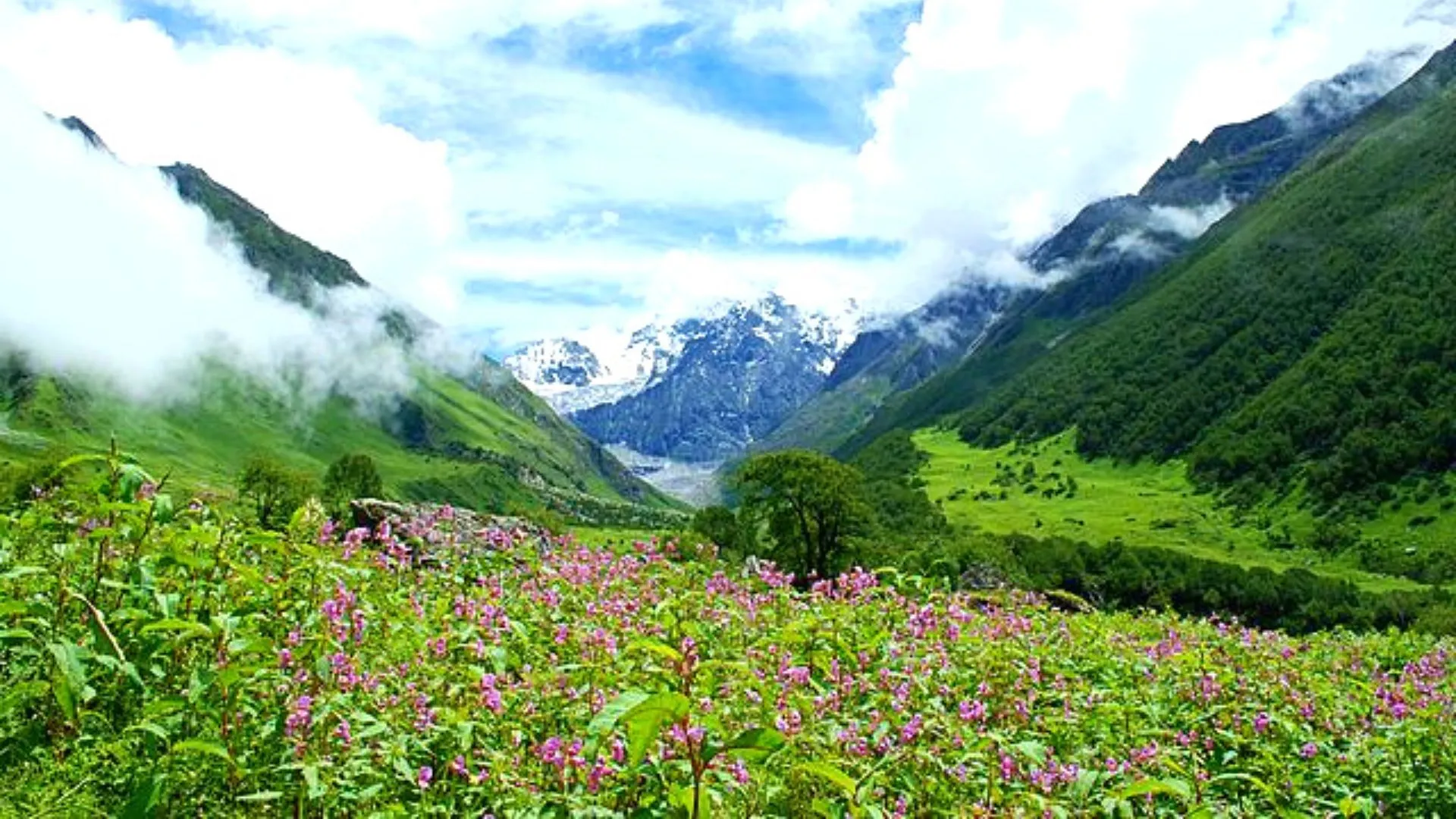
Nestled in the Western Himalayas, the Valley of Flowers is a UNESCO World Heritage Site bursting with alpine blooms. During monsoon season (June to September), the valley transforms into a kaleidoscope of colors, with rare orchids and poppies dotting the landscape.
Trekking to the Valley
The 17-km trek from Govindghat is moderately challenging but rewards you with views of the Pushpawati River and snow-clad peaks. It’s a haven for botanists and nature lovers alike.
Pros & Cons of Visiting
- Pros: Stunning biodiversity, serene trekking trails, UNESCO recognition.
- Cons: Limited accessibility during off-season, requires physical fitness.
3. Dudhsagar Falls, Goa: The Sea of Milk
Straddling the Goa-Karnataka border, Dudhsagar Falls cascades 310 meters down a lush cliff, its milky-white waters earning it the name “Sea of Milk.” Featured in films like Chennai Express, it’s a visual spectacle best seen during monsoon.
How to Experience It
Take a jeep safari through Bhagwan Mahavir Wildlife Sanctuary or catch a train passing by for a cinematic view. Swimming in the natural pools below is a refreshing treat.
Best Tools for Planning
- Trekking Gear: Sturdy shoes, raincoats (for monsoon visits).
- Booking Platforms: Use EaseMyTrip or Goa Tourism for guided tours.
4. Rann of Kutch, Gujarat: The White Salt Desert
The Great Rann of Kutch is a surreal expanse of white salt crystals stretching endlessly under the sky. During the Rann Utsav festival (November to February), this desert comes alive with cultural performances and starry nights.
Why It’s a Must-Visit
The full moon transforms the Rann into a glowing wonderland, perfect for photography. Stay in traditional bhungas (mud huts) for an authentic experience.
Comparison: Rann of Kutch vs. Thar Desert
| Feature | Rann of Kutch | Thar Desert |
|---|---|---|
| Landscape | White salt flats | Golden sand dunes |
| Best Time | November–February (Rann Utsav) | October–March |
| Activities | Cultural festivals, stargazing | Camel safaris, folk music |
| Unique Factor | World’s largest salt desert | Vibrant desert villages |
5. Lonar Crater Lake, Maharashtra: A Meteoric Marvel
Formed 50,000 years ago by a meteor impact, Lonar Crater Lake in Maharashtra is a geological wonder. Its saline-alkaline waters support unique microorganisms, making it a hotspot for scientists and curious travelers.
Exploring the Crater
A short trek around the crater rim offers views of the emerald-green lake and ancient temples. Birdwatchers will spot flamingos and migratory species.
What Makes It Special?
- Geological Rarity: One of Earth’s few hyper-velocity impact craters.
- Ecosystem: Hosts rare microbial life.
- Accessibility: Well-connected from Aurangabad (150 km).
6. Living Root Bridges, Meghalaya: Nature’s Architecture
In the rain-soaked hills of Meghalaya, the Khasi and Jaintia tribes have crafted living root bridges from the roots of rubber trees. The double-decker bridge in Nongriat, over 500 years old, is a testament to human-nature harmony.
How to Reach
A steep trek from Cherrapunji leads to these bridges, surrounded by misty forests and waterfalls. Wear sturdy shoes and carry water for the journey.
Tips for Visitors
- Best Time: October to May (post-monsoon).
- Guides: Hire local guides for safe navigation.
- Photography: Early mornings offer the best light.
7. Loktak Lake, Manipur: The Floating Lake
Loktak Lake, the largest freshwater lake in Northeast India, is famous for its phumdis—floating islands of vegetation. The Keibul Lamjao National Park, the world’s only floating park, is home to the endangered Sangai deer.
Activities to Enjoy
Take a boat ride to explore the phumdis and spot rare wildlife. The lake’s biodiversity includes over 200 plant species and 100 bird varieties.
Conservation Challenges
- Threats: Pollution and invasive species.
- Efforts: Local initiatives to preserve the ecosystem.
8. Magnetic Hill, Ladakh: Defying Gravity
On the Leh-Kargil Highway, Magnetic Hill creates an optical illusion where vehicles appear to roll uphill against gravity. I parked my rental car here, turned off the engine, and watched it “defy” physics—a thrilling, if slightly eerie, experience.
Science or Magic?
Scientists attribute the phenomenon to a gravitational anomaly or optical illusion caused by the surrounding slopes. Regardless, it’s a fun stop for road-trippers.
Travel Tips
- Best Time: May to September.
- Where to Stay: Leh (30 km away) offers guesthouses and hotels.
- Safety: Follow road signs to avoid confusion.
9. Sundarbans Mangrove Forest: A Wild Wonderland
The Sundarbans, a UNESCO World Heritage Site straddling India and Bangladesh, is the world’s largest mangrove forest. Home to the elusive Bengal tiger, it’s a labyrinth of waterways and dense foliage.
Exploring the Sundarbans
Book a guided boat tour to navigate the creeks and spot crocodiles, otters, and rare birds. Local guides share tales of the forest’s guardian deity, Bonbibi.
Pros & Cons of Visiting
- Pros: Rich biodiversity, unique ecosystem, cultural stories.
- Cons: Remote access, limited infrastructure.
10. Amarnath Cave, Jammu & Kashmir: A Spiritual Marvel
At 3,888 meters, the Amarnath Cave is a sacred Hindu shrine known for its ice stalagmite resembling a Shiva Lingam. The lingam waxes and wanes with the moon, adding to its mystique.
The Pilgrimage Experience
The annual Amarnath Yatra (July–August) draws thousands of devotees. The trek from Pahalgam is arduous but spiritually rewarding.
Practical Information
- Permits: Required for the Yatra, available via government portals.
- Guides: Mandatory for safety on the high-altitude trek.
11. Chandipur Beach, Odisha: The Hide-and-Seek Beach
Chandipur Beach, also called the Hide-and-Seek Beach, sees its waters recede up to 5 km during low tide, revealing a sandy expanse teeming with crabs and shells. It’s a surreal sight I’ll never forget from my visit.
What to Do
Walk the exposed seabed during low tide or enjoy a sunset stroll. The beach is also a hub for unique marine life.
Where to Get More Info
- Tourism Sites: Odisha Tourism or TripAdvisor for tide schedules.
- Local Guides: Available at Balasore (16 km away).
People Also Ask (PAA)
What are the top natural wonders in India?
India’s top natural wonders include the Himalayas, Valley of Flowers, Dudhsagar Falls, Rann of Kutch, Lonar Crater Lake, and more, each offering unique geological and cultural experiences.
When is the best time to visit the Valley of Flowers?
The Valley of Flowers is best visited from June to September when the meadows bloom with vibrant flowers. Monsoon enhances its beauty but requires caution due to slippery trails.
How can I plan a trip to the Rann of Kutch?
Book a package through Rann Utsav’s official site or platforms like EaseMyTrip. Visit between November and February for the festival and comfortable weather.
Is the Magnetic Hill phenomenon real?
The Magnetic Hill’s “gravity-defying” effect is likely an optical illusion caused by the landscape’s layout. It’s a fascinating experience, best enjoyed with a vehicle in neutral.
Planning Your Visit: Practical Tips
To explore these wonders, plan according to seasons and accessibility. Here’s a quick guide:
| Wonder | Best Time to Visit | Nearest Major City | How to Reach |
|---|---|---|---|
| Himalayas | May–September | Manali/Leh | Flights to Leh, buses from Manali |
| Valley of Flowers | June–September | Rishikesh | Trek from Govindghat |
| Dudhsagar Falls | October–May | Panaji | Jeep safari or train from Margao |
| Rann of Kutch | November–February | Bhuj | Flights or trains to Bhuj |
| Lonar Crater Lake | October–March | Aurangabad | Buses or taxis from Aurangabad |
Budget-Friendly Options
- Homestays: Affordable in Ladakh, Meghalaya, and Manipur.
- Group Tours: Platforms like Trodly offer cost-effective packages.
- Public Transport: Trains and buses connect most sites to major cities.
FAQ
Are India’s natural wonders safe to visit?
Most sites are safe with proper planning. High-altitude areas like Amarnath and the Himalayas require fitness and guides. Check weather updates for monsoon-prone areas like Meghalaya.
Which natural wonder is best for families?
Dudhsagar Falls and Rann of Kutch are family-friendly, offering easy access and activities like jeep safaris and cultural festivals. Avoid strenuous treks for young children.
How can I book tours for these destinations?
Use platforms like EaseMyTrip, Trodly, or state tourism websites. Local guides are available at most sites for personalized experiences.
What should I pack for these trips?
Pack sturdy shoes, rain gear (for monsoon), warm clothing (for Himalayas), and sunscreen. A camera is a must for capturing these stunning landscapes.
Are there entry fees for these sites?
Some sites like Valley of Flowers and Sundarbans require permits or entry fees (₹150–₹500). Check official tourism sites for updated pricing.
Conclusion: Embark on a Journey of Wonder
India’s natural wonders are more than just destinations—they’re experiences that connect you to the planet’s ancient rhythms. From the ethereal beauty of the Rann of Kutch to the spiritual pull of Amarnath, each site offers a story waiting to be lived. As I stood on Chandipur Beach, watching the sea vanish before my eyes, I realized nature’s mysteries are best discovered firsthand. So, pack your bags, pick a wonder, and let India’s landscapes steal your breath away. Where will your journey begin?