Hey there, fellow night owl or early bird who’s secretly exhausted—I’ve been where you are. A few years back, I was juggling a demanding job, family chaos, and what felt like endless scrolling on my phone until the wee hours. Mornings were brutal; I’d drag myself out of bed feeling like I’d been hit by a truck, snapping at everyone over breakfast. It wasn’t until I dove into some real changes—backed by science, not just trendy hacks—that I started waking up refreshed. If you’re tired of counting sheep or staring at the ceiling, this guide is for you. We’ll cover 15 proven tips to transform your nights, drawing from expert advice and studies that show real results. No fluff, just actionable steps to reclaim your rest.
The Importance of Quality Sleep
Sleep isn’t just a break from the day—it’s when your body repairs itself, your brain processes memories, and your mood gets a reset. Think of it as your personal recharge station. Without enough quality shut-eye, everything suffers: your focus slips, stress skyrockets, and even your immune system takes a hit. Studies from places like the National Institutes of Health highlight how consistent good sleep lowers risks for heart disease, diabetes, and mental health issues. I’ve felt that firsthand—after prioritizing rest, my days feel sharper, and little annoyances don’t rattle me as much. It’s like upgrading from a clunky old phone to a sleek new model; suddenly, life runs smoother.
Common Sleep Problems and Their Impact
From insomnia that keeps you tossing to sleep apnea that interrupts your breathing, poor sleep hits millions. Maybe it’s the glow of your screen messing with your melatonin or that late-afternoon coffee lingering longer than you think. These issues don’t just leave you groggy—they amp up anxiety, weaken your decisions, and can even pack on pounds by messing with hunger hormones. I once ignored my restless nights, blaming it on “just being busy,” but it snowballed into constant fatigue that affected my work and relationships. The good news? Addressing root causes through simple habits can turn things around, as backed by research from the Sleep Foundation.
15 Proven Tips to Sleep Better
Let’s get into the meat of it—these tips aren’t random suggestions; they’re drawn from credible sources like Mayo Clinic and Healthline, with studies showing they work. I’ll share how I applied them, plus why they matter, to make it relatable.
Tip 1: Stick to a Consistent Sleep Schedule
Going to bed and waking up at the same time every day—even on weekends—trains your body’s internal clock, making it easier to drift off naturally. A 2020 review of 41 studies found irregular patterns tank sleep quality, while consistency boosts it. I started small, setting my alarm for 7 a.m. daily, and within a week, bedtime felt automatic. No more weekend lie-ins that wrecked my Mondays.
- Set a fixed wake-up time based on needing 7-9 hours.
- Use an app like Sleep Cycle for gentle alarms.
- Resist the snooze button to avoid grogginess.
Tip 2: Get Bright Light Exposure During the Day
Sunlight in the morning syncs your circadian rhythm, signaling it’s daytime and helping you feel alert, which pays off with deeper sleep at night. A 2022 study showed daytime bright light improved sleep duration and quality. I make it a habit to step outside for coffee—it’s like flipping a switch for my energy. Skip this, and your body gets confused, leading to sluggish days and restless nights.
- Aim for 30 minutes outdoors soon after waking.
- Open curtains or use a light therapy box in winter.
- Combine with a walk for double benefits.
Tip 3: Reduce Blue Light in the Evening
Screens from phones and TVs emit blue light that suppresses melatonin, tricking your brain into thinking it’s daytime. Research from Healthline notes cutting exposure two hours before bed enhances sleep. I swapped late-night Netflix for a book, and wow, falling asleep got easier—no more wide-eyed scrolling. It’s a small tweak with big rewards, especially if you’re glued to devices like me.
- Install apps like f.lux to warm screen tones.
- Wear blue-light blocking glasses after sunset.
- Dim household lights for a cozy wind-down.
Tip 4: Limit Caffeine After Lunch
Caffeine blocks sleep-promoting chemicals, and its effects can last up to eight hours. A 2023 review found late intake slashed sleep time by 45 minutes. I love my morning joe, but cutting afternoon cups was a game-changer— no more wired evenings. If you’re a coffee fiend, switch to decaf or herbal tea; your nights will thank you.
- Track intake; even chocolate or soda counts.
- Opt for water or chamomile in the p.m.
- If needed, taper gradually to avoid headaches.
Tip 5: Cut Back on Daytime Naps
Long or late naps disrupt nighttime rest by reducing sleep drive. A 2021 review suggests keeping them under 30 minutes and before 3 p.m. I used to crash mid-afternoon, but shortening naps helped me conk out faster at night. It’s tempting after a rough sleep, but strategic napping keeps your cycle intact—think power boost, not full recharge.
- Set a timer to avoid oversleeping.
- Nap in a cool, dark spot for efficiency.
- Skip if you have insomnia tendencies.
Tip 6: Exercise Regularly, But Not Too Late
Physical activity tires your body positively, improving sleep depth as per Mayo Clinic guidelines. Studies show 30 minutes daily reduces insomnia symptoms. I hit the gym in the mornings now; evenings rev me up too much. It’s hilarious how a brisk walk turns me into a sleepy sloth by bedtime—endorphins during the day, zzz’s at night.
- Choose moderate activities like yoga or jogging.
- Aim for morning or early afternoon sessions.
- Track progress with a fitness app for motivation.
Tip 7: Optimize Your Bedroom Environment
A cool, dark, quiet room mimics ideal sleep conditions, signaling rest to your brain. The Sleep Foundation recommends 60-67°F and blackout curtains. I invested in earplugs after noisy neighbors; it’s like creating a cave. Small changes add up—no more distractions, just pure comfort that invites slumber.
- Use a fan for white noise and cooling.
- Invest in breathable sheets for temperature control.
- Declutter to reduce mental noise.
Tip 8: Avoid Heavy Meals Before Bed
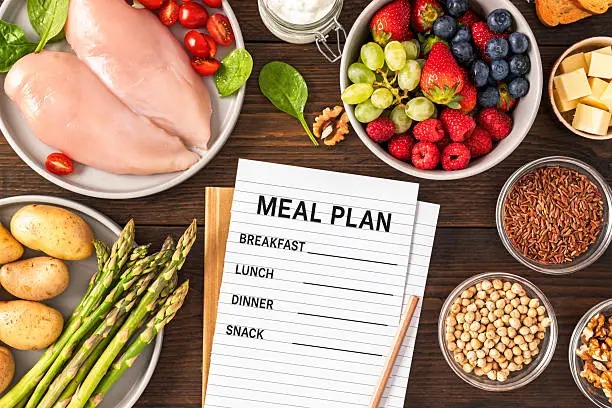
Late eating sparks digestion that interferes with rest; spicy or fatty foods worsen it. Healthline cites a study where high-carb dinners hurt sleep quality. I shifted dinner earlier, opting for light snacks if hungry— no more midnight heartburn. It’s about timing; fuel up during the day so nights stay peaceful.
- Eat 3 hours before bed; focus on balanced portions.
- Choose sleep-friendly foods like bananas or nuts.
- Hydrate earlier to minimize bathroom trips.
Tip 9: Limit Alcohol Intake
Booze might make you drowsy initially, but it fragments sleep later, per a 2019 study. It disrupts REM stages, leaving you tired. I enjoy a glass with dinner occasionally, but skipping it near bed improved my mornings—no foggy hangovers. Moderation is key; think social sip, not sleep aid.
- Stick to one drink, hours before bed.
- Alternate with water to stay hydrated.
- Explore mocktails for evening relaxation.
Tip 10: Create a Relaxing Bedtime Routine
Winding down with reading or stretching cues your body it’s time to slow. Mayo Clinic says calming activities promote better onset. My routine? Herbal tea and journaling—dumps the day’s worries. It’s like a gentle off-ramp from hustle; skip it, and your mind races like a hamster wheel.
- Include dim lighting and no screens.
- Try aromatherapy with lavender oil.
- Keep it consistent for habit building.
Tip 11: Manage Stress and Worries
Jotting down concerns before bed clears mental clutter, as Harvard Health advises. Meditation reduces anxiety-linked insomnia. I keep a notebook bedside; writing “tomorrow’s problems” frees my brain. It’s oddly therapeutic—turns potential nightmares into manageable lists, with a dash of humor at my overthinking.
- Practice deep breathing: In for 4, out for 6.
- Use apps like Calm for guided sessions.
- Delegate tasks earlier to lighten the load.
Tip 12: Get Comfortable Bedding and Mattress
A supportive setup prevents aches that wake you. A 2021 review favors medium-firm for back health. I upgraded my pillow after neck pain; sleep deepened instantly. It’s an investment—like buying good shoes for running; quality pays in restful nights.
- Test firmness based on sleep position.
- Rotate mattress regularly for even wear.
- Layer with toppers for customization.
Tip 13: Try Relaxation Techniques
Mindfulness or progressive muscle relaxation eases tension, backed by studies improving quality. I do a quick body scan: tense and release each part. Feels silly at first, like playing statue, but it melts stress away. Perfect for anxious minds; science says it boosts melatonin naturally.
- Start with 5-minute sessions.
- Combine with soft music.
- Practice daily for better results.
Tip 14: Limit Fluids Before Bed
Excess liquids lead to nocturia, interrupting cycles. A study links it to poorer quality and energy. I cut off drinks post-8 p.m.; fewer trips mean unbroken sleep. Hydrate smartly during the day—your bladder (and sanity) will appreciate the break.
- Sip slowly throughout daylight hours.
- Avoid caffeinated or alcoholic beverages.
- Empty bladder right before bed.
Tip 15: Consult a Professional if Needed
Persistent issues might signal disorders like apnea; early checks prevent worsening. Mayo Clinic urges seeing a doc for ongoing problems. I got tested after snoring complaints—CPAP changed everything. Don’t tough it out; experts have tools to pinpoint and fix.
- Track symptoms in a sleep diary.
- Explore CBT-I for insomnia therapy.
- Rule out underlying health conditions.
Comparing Natural vs. Medical Sleep Aids
When tweaks aren’t enough, aids come in. Natural options like herbal teas shine for mild issues, while medical ones tackle severe cases. Here’s a table breaking it down:
| Aspect | Natural Aids (e.g., Chamomile, Lavender) | Medical Aids (e.g., Melatonin Supplements, Prescription Meds) |
|---|---|---|
| Pros | Low side effects, easy access, promotes relaxation naturally. | Fast-acting, targeted for disorders like insomnia. |
| Cons | Slower results, variable efficacy. | Potential dependency, side effects like drowsiness. |
| Best For | Everyday hygiene boosts. | Diagnosed conditions; consult a doctor first. |
| Evidence | Studies show chamomile reduces anxiety. | FDA-approved for short-term use in some cases. |
Natural wins for prevention—I sip tea most nights—but medical saved a friend with chronic insomnia. Balance based on needs.
Pros and Cons of Popular Sleep Trackers
Tools like Fitbit or Oura Ring monitor habits, offering insights. Pros: Data-driven tweaks, motivation via trends. Cons: Inaccurate readings, added anxiety from obsessing. I use one sparingly; it’s helpful for spotting patterns, like how exercise correlates with deeper sleep, but don’t let it rule your routine.
- Pros: Personalized feedback, goal setting.
- Cons: Costly, potential for over-reliance.
Where to Get Quality Sleep Tools
Navigational intent? Head to sites like Amazon for affordable trackers or earplugs. For mattresses, try Casper or Tempur-Pedic showrooms. Apps? Download Headspace for free trials on meditation. Local pharmacies stock melatonin—start low-dose.
Best Tools for Better Sleep
Transactional picks: The Hatch Restore sound machine (around $130) drowns noise with customizable sounds. For budget, try Loop earplugs ($25). Premium? Eight Sleep Pod for temp control ($2,000+). I swear by a simple white noise app—free and effective.
People Also Ask
Drawing from real Google queries, here’s quick answers to common curiosities.
How Can I Fall Asleep in 10 Seconds?
The military method: Relax your face, drop shoulders, exhale deeply, clear mind. A book by Sharon Ackerman popularized it; works for some via progressive relaxation. I tried—more like 10 minutes, but it’s a start.
What to Drink to Sleep Faster?
Warm milk or chamomile tea; both contain compounds like tryptophan that promote calm. Studies back chamomile for mild insomnia. Avoid alcohol—it’s a false friend.
Why Can’t I Sleep at Night Even When Tired?
Overstimulation from screens or stress; your brain’s “fight or flight” lingers. Track habits; if persistent, see a doc for issues like anxiety.
How to Sleep Better with Anxiety?
Build a worry journal routine; mindfulness apps help. A study in JAMA showed CBT reduces anxiety-related insomnia by 50%.
What Foods Help You Sleep?
Bananas (potassium relaxes muscles), almonds (magnesium aids calm). A Healthline review notes they boost melatonin without heaviness.
FAQ
Is It Better to Sleep in Complete Darkness?
Yes—darkness cues melatonin production. Even dim lights disrupt, per Sleep Foundation. Use blackout curtains; I noticed deeper sleep instantly.
How Much Sleep Do Adults Really Need?
7-9 hours nightly, as NIH recommends. Less impairs cognition; I aim for 8, feeling optimal without dragging.
Can Exercise at Night Hurt Sleep?
If too close to bed, yes—it raises adrenaline. Morning workouts align better with rhythms; evenings, opt for yoga.
What’s the Best Natural Sleep Aid?
Lavender essential oil; a 2020 study found inhalation improved quality in 60% of participants. Diffuse or spritz pillows.
When Should I See a Doctor for Sleep Issues?
If problems last over a month or affect daily life. Could be apnea; early intervention prevents complications.
In wrapping up, these tips aren’t overnight miracles—they build over time, like training for a marathon. I went from zombie mornings to energized days by committing, and you can too. Start with one or two; track what works. Sweet dreams ahead—your body (and everyone around you) will thank you. For more on wellness, check our guide on stress management [internal link]. External resources: Mayo Clinic’s sleep tips (https://www.mayoclinic.org/healthy-lifestyle/adult-health/in-depth/sleep/art-20048379) and Sleep Foundation’s hygiene page (https://www.sleepfoundation.org/sleep-hygiene).