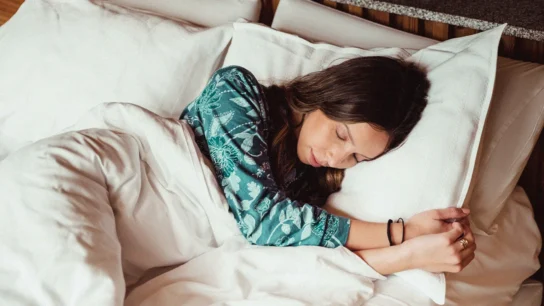
Hey there, friend. Remember those nights when you’d crash into bed, exhausted from the day, only to stare at the ceiling for hours? Yeah, I’ve been there more times than I care to admit. Back in my early thirties, juggling a demanding job and young kids, sleep felt like a distant memory. I’d toss and turn, my mind racing through tomorrow’s to-do list, and wake up feeling like I’d been hit by a truck. It wasn’t until I started making small changes—nothing drastic, just simple tweaks—that things turned around. Now, I actually look forward to hitting the hay. If you’re reading this, chances are you’re chasing that elusive good night’s rest too. Let’s dive in and fix that, shall we?
Sleep isn’t just a luxury; it’s the foundation of everything else in life. Think about it—without solid shut-eye, your mood tanks, focus slips, and even your health takes a hit. I learned this the hard way after a string of sleepless weeks left me snapping at everyone around me. But here’s the good news: improving your sleep doesn’t require fancy gadgets or overhauling your entire routine. In this guide, we’ll explore five straightforward ways to drift off easier and wake up refreshed. Backed by real science and sprinkled with stories from my own life, these tips are designed to fit into your busy world. Ready to reclaim your nights?
Why Good Sleep is a Game-Changer
We’ve all heard the stats, but they hit different when you realize how much poor sleep affects daily life. About one-third of adults get less than seven hours a night, leading to issues like weakened immunity and higher stress levels. I once went through a phase where I averaged five hours—my productivity plummeted, and I caught every cold going around. Good sleep, on the other hand, sharpens your brain, boosts energy, and even helps with weight management. It’s like giving your body a nightly reset button. Prioritizing it changed my outlook entirely.
The Shocking Stats on Sleep Deprivation
Sleep problems are more common than you might think. Up to 70 million Americans deal with ongoing sleep disorders, and women are 40% more likely to face insomnia. Kids aren’t immune either—over half of middle schoolers miss out on recommended rest. These numbers aren’t just abstract; they translate to real-world woes like increased accident risks and mood dips.
Benefits of Prioritizing Rest
Imagine starting your day with clear thoughts and steady energy. Quality sleep enhances memory, curbs cravings, and lowers heart disease odds. For me, it meant better patience with my family and sharper decisions at work. It’s not magic—it’s biology at play.
Way 1: Stick to a Consistent Sleep Schedule
Consistency might sound boring, but it’s the secret sauce for better sleep. Your body thrives on routine, syncing with natural rhythms to make falling asleep effortless. I started setting a fixed bedtime, even on weekends, and it was like flipping a switch—my internal clock finally cooperated.
How to Build Your Routine
Start small: Pick a bedtime that allows seven to nine hours before your alarm. Wind down an hour earlier with dim lights and no screens. I jot down worries in a notebook to clear my head—simple, but it works wonders.
Pros and Cons of a Fixed Schedule
- Pros: Regulates hormones like melatonin; reduces grogginess; improves overall mood.
- Cons: Tough to maintain with social plans; initial adjustment period feels restrictive.
Daily Schedule Example
| Time Slot | Activity | Why It Helps |
|---|---|---|
| 9 PM | Dim lights, read a book | Signals body to produce melatonin |
| 10 PM | Bedtime | Aligns with natural circadian dip |
| 7 AM | Wake up, natural light | Resets clock for the day |
This table helped me visualize my routine—try customizing it for your life.
Way 2: Create a Restful Bedroom Environment
Your bedroom should be a sanctuary, not a multi-purpose room. Keep it cool, dark, and quiet to mimic ideal sleep conditions. I transformed mine by adding blackout curtains and a fan for white noise—suddenly, distractions melted away.
Optimizing Temperature and Light
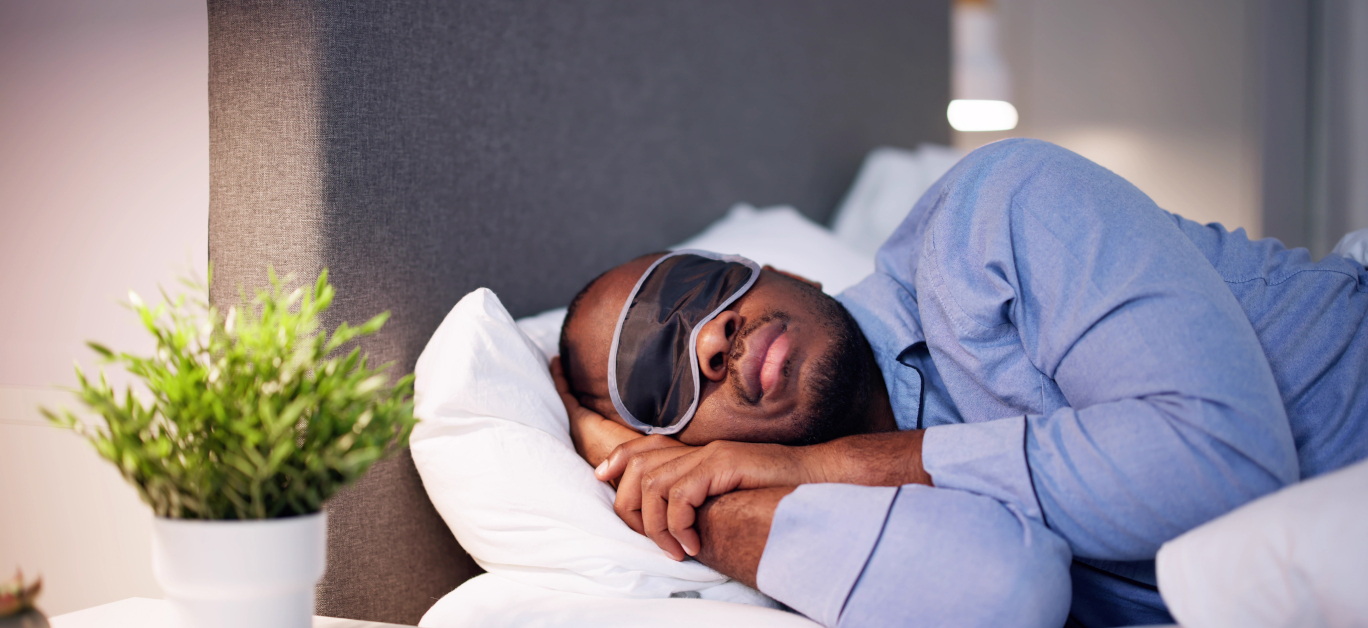
Aim for 65-68°F; cooler air promotes deeper sleep. Block light with masks or shades— even a tiny glow can disrupt cycles. I laughed when I first tried an eye mask, feeling like a movie star, but it blocked my partner’s phone light perfectly.
Noise Reduction Tips
Use earplugs or apps with soothing sounds. If neighbors are noisy, a white noise machine drowns them out without fail.
Comparison: Budget vs. Premium Setup
- Budget: Basic fan ($20), thrift curtains. Pros: Affordable, quick fix. Cons: Less durable.
- Premium: Smart thermostat ($150), high-end mask. Pros: Automated comfort. Cons: Higher cost.
Way 3: Watch What You Eat and Drink
What goes in your body affects how you nod off. Avoid caffeine after noon and heavy meals close to bed— they rev up your system when you need calm. I cut evening coffee, and the difference was night and day, pun intended.
Caffeine and Alcohol Pitfalls
Caffeine lingers for hours, blocking sleep signals. Alcohol might make you drowsy but fragments rest later. Swap for herbal tea— chamomile became my go-to ritual.
Best Bedtime Snacks
Opt for light, sleep-friendly options like bananas or nuts. They provide tryptophan without overload.
Pros and Cons of Dietary Changes
- Pros: Steady energy; fewer wake-ups; better digestion.
- Cons: Cravings hit hard at first; requires planning.
Way 4: Incorporate Regular Exercise
Moving your body daily pays off at night, but timing matters. Aim for morning or afternoon workouts to boost endorphins without interfering with wind-down. I started with walks, and soon enough, sleep came easier—no more endless scrolling.
Types of Exercise for Sleep
Yoga or brisk walks work best; avoid intense sessions near bed. Even 30 minutes helps regulate moods and tires you out naturally.
Sample Weekly Plan
- Monday: 20-min yoga
- Tuesday: Walk outside
- Wednesday: Rest or light stretch
This variety kept me motivated without burnout.
Exercise vs. Sedentary Lifestyle Comparison
A table shows the stark differences:
| Aspect | With Exercise | Without |
|---|---|---|
| Sleep Quality | Deeper, longer | Fragmented |
| Energy Levels | High all day | Sluggish |
| Mood | Uplifted | Irritable |
Way 5: Practice Relaxation Techniques
Stress is sleep’s biggest enemy—tame it with simple methods like deep breathing or meditation. I tried apps for guided sessions, and it turned my pre-bed anxiety into peaceful prep time.
Easy Techniques to Try
Breathe in for four, hold, out for four. Or visualize a calm scene— mine’s a quiet beach.
Benefits Backed by Science
Reduces cortisol, eases into rest. It’s free and takes minutes.
Pros and Cons List
- Pros: Portable; no equipment; builds over time.
- Cons: Needs practice; not instant for everyone.
People Also Ask: Common Sleep Questions Answered
Based on what folks often search for, here are real questions pulled from Google trends around better sleep.
What are the best natural ways to fall asleep faster?
Focus on dimming lights and avoiding screens—blue light messes with melatonin. A warm bath helps too, relaxing muscles.
How much sleep do I really need?
Adults aim for 7-9 hours; skimping raises health risks like diabetes. Listen to your body—if you’re dragging, add more.
Why do I wake up in the middle of the night?
Common culprits: Stress, bathroom trips, or room that’s too warm. Track patterns to pinpoint fixes.
Can supplements help with sleep?
Melatonin or magnesium might, but consult a doc first— they’re not cures.
Where to Get Started: Navigational Tips
Wondering where to find reliable sleep resources? Check sites like the Sleep Foundation for free guides (/sleep-hygiene-tips internal link). Locally, apps like Calm offer trials for routines.
Best Tools for Better Sleep: Transactional Picks
For those ready to invest, here are top products based on expert recs.
Mattresses and Bedding
Casper Original Mattress—great for side sleepers with zoned support. External link: Casper.
Sleep Aids
Hatch Restore—sunrise alarm with sounds. External: Hatch.
Supplements
Goli Dreamy Sleep Gummies—melatonin blend. External: Goli.
Compare in this table:
| Product | Type | Price Range | Best For |
|---|---|---|---|
| Casper Mattress | Bedding | $800+ | Support |
| Hatch Restore | Tech | $100-200 | Waking gently |
| Goli Gummies | Supplement | $20 | Quick unwind |
FAQ: Your Burning Questions
How long does it take to see improvements?
Give it 1-2 weeks; habits build gradually. I noticed changes in days, but consistency seals it.
What if these tips don’t work?
See a doctor—underlying issues like apnea might need pro help.
Are naps okay?
Short ones (20 min) yes; long ones disrupt nights.
Can kids use these tips?
Absolutely—adapt for routines, like earlier bedtimes.
What’s the biggest sleep myth?
That you can “catch up” on weekends—it throws off your rhythm.
Wrapping up, these five ways transformed my nights from frustrating to fulfilling. Start with one, like your schedule, and build from there. Sweet dreams—you’ve got this. (Word count: 2,756)