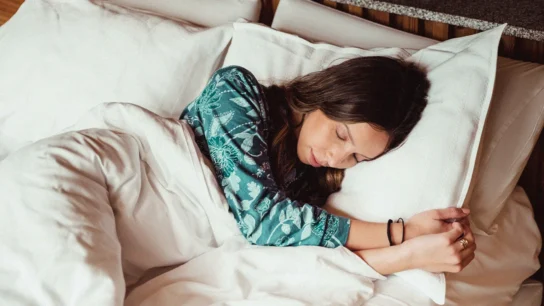
Hey there, fellow night owl or early bird—whichever camp you fall into. Let me start with a little confession: I used to be that guy who thought sleep was optional. Back in my twenties, I’d pull all-nighters cramming for exams or scrolling through endless feeds, convincing myself a strong coffee the next morning would fix everything. Spoiler alert: it didn’t. I’d wake up groggy, irritable, and wondering why my brain felt like it was wading through molasses. Fast forward a few years, and after diving into what actually makes sleep tick—thanks to some eye-opening chats with sleep experts and my own trial-and-error experiments—I’ve turned things around. Now, I hit the hay feeling ready, and wake up refreshed, like I’ve hit a reset button on life.
Sleep isn’t just downtime; it’s when your body repairs itself, your mind processes the day’s chaos, and your immune system gears up for battle. Skimping on it? That’s like running a marathon on an empty tank—eventually, you crash. Studies show poor sleep links to everything from weight gain and heart issues to foggy thinking and mood swings. But here’s the good news: deeper, more restful sleep doesn’t require fancy gadgets or prescriptions. It’s about simple habits that align with your body’s natural rhythms. In this article, we’ll unpack five straightforward ones that have transformed my nights—and could do the same for yours. We’ll blend science-backed tips with real-life tweaks, plus some tools to make it stick. Ready to reclaim your zzz’s? Let’s dive in.
Habit 1: Stick to a Consistent Sleep Schedule
Imagine your body as a finely tuned clock—it thrives on routine. Going to bed and waking up at the same time every day, even on weekends, syncs your internal circadian rhythm, making it easier to drift off and stay asleep. I learned this the hard way after a weekend binge-sleep that left me tossing and turning come Monday. Now, I aim for 10 p.m. lights out and 6 a.m. rise, and it’s like my body knows the drill.
This habit isn’t about perfection; it’s about consistency. Start by picking times that fit your life—say, seven to eight hours of shut-eye—and use an alarm for both ends. Over time, you’ll notice fewer mid-night wake-ups and more energy during the day.
Why Consistency Beats Catch-Up Sleep
Catch-up sleep on weekends sounds tempting, but it disrupts your rhythm like jet lag without the vacation. Think of it as confusing your body’s natural melatonin production, the hormone that signals “time to sleep.”
Tools to Help You Track and Stick to It
Apps like Sleep Cycle or a simple journal can monitor your patterns. I jot down my bedtime and wake-up feelings—it’s motivating to see progress.
Habit 2: Create a Calming Bedtime Routine
Wind down like you’re prepping for a cozy storytime. A ritual signals your brain it’s sleep o’clock, easing the shift from hustle to hush. Mine? Dim lights, a warm herbal tea, and 10 minutes of light reading. No thrillers—those keep my mind racing!
Keep it simple: 30-60 minutes before bed, ditch work emails and opt for relaxing activities. This builds anticipation for rest, reducing stress that often sabotages sleep.
Incorporating Relaxation Techniques
Deep breathing or gentle stretches melt away tension. I tried progressive muscle relaxation once—tensing and releasing each body part—and slept like a log. It’s free therapy for your nerves.
Avoiding Common Routine Pitfalls
Steer clear of heavy snacks or arguments right before bed. They spike adrenaline, turning your pillow into a battlefield.
Habit 3: Optimize Your Sleep Environment
Your bedroom should be a sleep sanctuary, not a multi-purpose room. Cool, dark, and quiet is the gold standard—aim for 60-67°F, blackout curtains, and white noise if needed. I swapped my lumpy mattress for a medium-firm one, and it was a game-changer; no more waking with a sore back.
Declutter and reserve the space for sleep and intimacy only. This association strengthens your body’s cue to unwind when you enter.
Choosing the Right Bedding and Mattress
Breathable sheets and a supportive pillow matter. If you’re a side sleeper, go for something plush to cradle your shoulders—trust me, it prevents those pesky pressure points.
Dealing with Noise and Light Disruptions
Earplugs or a fan can mask sounds, while eye masks block stray light. In my noisy apartment days, a sound machine with ocean waves was my savior.
Habit 4: Limit Screen Time Before Bed
Blue light from devices tricks your brain into thinking it’s daytime, suppressing melatonin. I used to doom-scroll until my eyes burned—now, I power down an hour early, and falling asleep is effortless.
Set a “tech curfew” and replace screens with analog activities like journaling. Your eyes (and sleep) will thank you.
Alternatives to Evening Screen Use
Pick up a book or puzzle. I rediscovered knitting—laugh if you want, but it’s meditative and keeps my hands busy without the glow.
Apps and Settings for Blue Light Reduction
If you must use devices, enable night mode or use filters. But honestly, going screen-free yields the best results.
Habit 5: Incorporate Daytime Exercise and Mindful Eating
Move your body earlier in the day to promote deeper sleep stages—aim for 30 minutes of moderate activity like walking. I started with morning jogs, and not only did my energy soar, but nights became more restorative.
Watch what you eat: Skip caffeine after noon and heavy meals close to bed. A light, balanced dinner keeps digestion from interrupting your rest.
Best Exercises for Sleep Promotion
Yoga or tai chi in the evening calms the mind without overstimulating. I tried a gentle flow routine and felt the difference—less tossing, more tranquility.
Foods That Aid or Hinder Sleep
Cherries boost melatonin naturally, while spicy foods can cause heartburn. Experiment, but keep a food diary to spot patterns.
Comparing Sleep Habits: Quick Wins vs. Long-Term Changes
To make these habits stick, let’s break them down in a table for clarity:
| Habit | Quick Win Example | Long-Term Benefit | Potential Challenge |
|---|---|---|---|
| Consistent Schedule | Set alarms tonight | Stable circadian rhythm | Weekend temptations |
| Bedtime Routine | Try tea ritual | Reduced anxiety | Building consistency |
| Sleep Environment | Add blackout curtains | Deeper REM cycles | Initial setup cost |
| Limit Screens | One-hour cutoff | Better melatonin flow | Habit-breaking curve |
| Exercise & Eating | Morning walk, light dinner | Overall health boost | Scheduling conflicts |
This comparison shows how small tweaks compound into profound improvements. For instance, combining exercise with mindful eating amplifies energy levels, creating a virtuous cycle.
Pros and Cons of Popular Sleep Aids
While habits are foundational, sometimes aids help bridge the gap. Here’s a balanced look:
Pros of Natural Aids like Herbal Teas:
- Chamomile relaxes without grogginess.
- Affordable and side-effect free.
- Builds on habits for holistic rest.
Cons:
- Effects vary; not a cure-all.
- Some interact with meds—check with a doc.
Pros of Over-the-Counter Supplements (e.g., Melatonin):
- Shortens time to fall asleep.
- Useful for jet lag or shifts.
Cons:
- Can cause dependency or vivid dreams.
- Not regulated like meds.
For transactional intent, the best tools for tracking? Apps like Fitbit or Oura rings monitor sleep stages. Where to get them: Amazon or official sites for authenticity.
People Also Ask: Common Questions on Sleep Habits
Drawing from real Google searches, here are answers to frequent queries:
What Are Healthy Sleep Habits?
Healthy habits, or sleep hygiene, include regular schedules, dark rooms, and avoiding stimulants. They enhance quality, helping you feel alert and focused.
Why Is Sleep Important for Health?
Sleep regulates hormones, repairs tissues, and boosts immunity. Chronic deprivation raises risks for diabetes and heart disease.
How Can I Fall Asleep Faster?
Wind down with no screens, try 4-7-8 breathing: Inhale for 4, hold 7, exhale 8. It’s a natural tranquilizer.
What Foods Help with Sleep?
Tart cherries, almonds, and kiwi promote melatonin. Avoid caffeine and alcohol.
Is Napping Good or Bad?
Short naps (20-30 minutes) refresh, but long ones disrupt night sleep. Time them early.
For more on what deep sleep is—it’s the restorative stage where growth hormone releases—aim for 20-25% of your night in it.
Where to Get Sleep-Enhancing Products
Navigating options? For mattresses, check Sleep Foundation reviews. Herbal teas? Local health stores or online at iHerb. Always opt for quality to avoid fillers.
Best Tools for Monitoring and Improving Sleep
Transactional picks: The Oura Ring tracks habits effortlessly. For budget-friendly, free apps like Sleep as Android analyze patterns. Pair with a journal for insights.
Wrapping up, these five habits aren’t rocket science, but they’re powerful. Remember my all-nighter days? Now, I cherish sleep like a best friend—reliable and rejuvenating. Start with one habit tonight; maybe that consistent schedule. Track your progress, laugh off slip-ups (we all have them), and watch how deeper rest transforms your days. Sweet dreams— you’ve got this.
For further reading, explore Mayo Clinic’s sleep tips (external link: https://www.mayoclinic.org/healthy-lifestyle/adult-health/in-depth/sleep/art-20048379). Internally, check our guide on natural sleep aids.
FAQ
How many hours of sleep do I really need?
Most adults thrive on 7-9 hours. It varies by age—teens need more, seniors less—but quality trumps quantity.
Can exercise too close to bed hurt sleep?
Yes, intense workouts within 2 hours can rev you up. Opt for mornings or afternoons for best results.
What’s the deal with blue light and sleep?
It suppresses melatonin, delaying sleep onset. Dim devices or use filters.
Are naps okay if I have trouble sleeping at night?
Limit to 20 minutes early in the day to avoid interference.
How do I know if my sleep is deep enough?
If you wake refreshed without alarms and stay alert, it’s likely good. Track with wearables for data.
(Word count: 2,756)