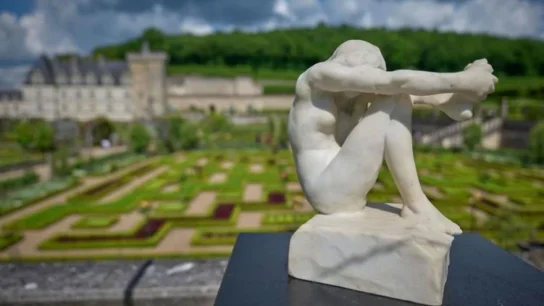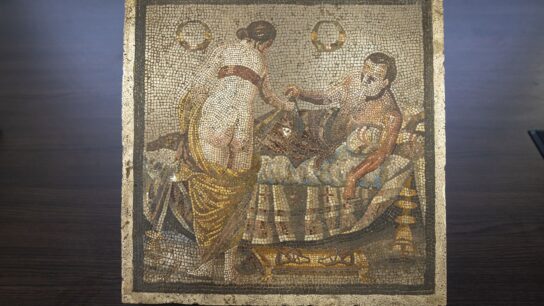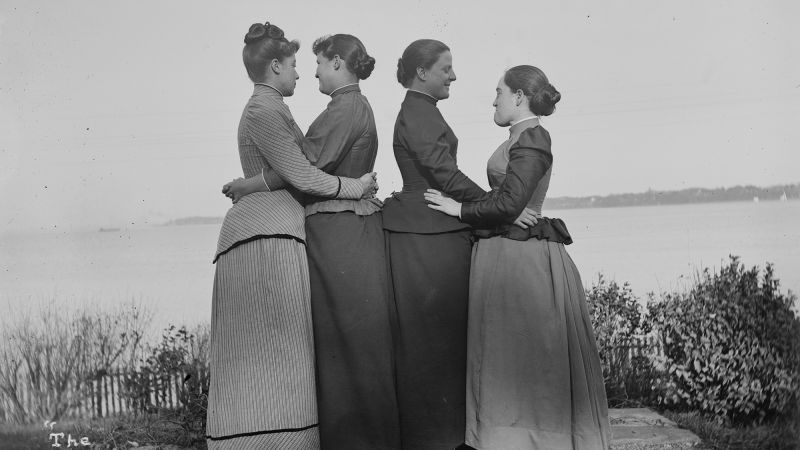
Imagine stepping into a quiet Chicago gallery on a crisp spring day, only to be hit with a whirlwind of colors, faces, and stories that flip everything you thought you knew about love and desire upside down. That’s what happened to me when I visited “The First Homosexuals: The Birth of a New Identity, 1869-1939” at Wrightwood 659 earlier this year. As someone who’s spent years diving into art history through books, museums, and late-night conversations with friends, I walked in expecting a straightforward look at queer art. Instead, I left questioning the very labels we slap on ourselves today. This exhibition isn’t just a collection of paintings and sculptures—it’s a bold statement that our modern ideas about sexual identity aren’t timeless truths but inventions born from a specific time and place. And boy, does it make you think.
The show, which wrapped up on August 2, 2025, after drawing crowds and sparking debates, argues that we’ve been viewing sexuality through a narrow lens shaped by 19th-century Western thinking. Before then, same-sex attractions were often seen as acts, not core parts of who you are. But once words like “homosexual” entered the scene, everything changed— for better and worse. It opened doors for visibility but also built walls of stigma and division. Through over 300 artworks from around the world, the curators show how artists captured this shift, often in ways that feel eerily relevant to today’s conversations about gender fluidity and queer rights.
What Is “The First Homosexuals” Exhibition?
At its heart, this exhibition is a deep dive into how art reflected and resisted the birth of modern sexual categories. Spanning from 1869, when the term “homosexual” was coined, to 1939, just before World War II ramped up fascist crackdowns on queer communities, it pulls together pieces from over 100 museums and private collections. Think of it as a visual timeline that challenges the idea that being gay, straight, or anything in between is some eternal human constant.
The gallery space itself, designed by architect Tadao Ando, adds to the experience with its serene brick walls and natural light, making the bold, sometimes explicit artworks pop even more. Visitors wander through themed sections that blend history, culture, and personal stories, leaving you with a sense of how fluid identity can be.
Location and Dates
Wrightwood 659, tucked away in Chicago’s Lincoln Park neighborhood, hosted the show from May 2 to August 2, 2025. It’s a non-commercial space focused on socially engaged art, which made it the perfect spot for something this provocative—many bigger museums turned it down due to its controversial title and themes.
If you’re planning a trip, check their site for future exhibitions; this one might travel, with talks of heading to Switzerland’s Kunstmuseum Basel.
The Curators Behind the Vision
Jonathan D. Katz, a trailblazing art historian and queer activist from the University of Pennsylvania, led the charge, with associate curator Johnny Willis by his side. Katz, who’s curated landmark shows like the Smithsonian’s first queer exhibition, brings decades of expertise in uncovering hidden queer narratives in art. Willis, a non-binary art historian, added fresh perspectives on gender and trans histories.
Their collaboration wasn’t easy—over seven years, they faced rejections from 80-90% of lenders, including pullouts from governments wary of the topic. But that grit shines through in a show that’s as educational as it is emotional.
The Historical Context: When Sexuality Became an Identity
Picture this: It’s the late 1800s, and a Hungarian writer named Karl-Maria Kertbeny coins “homosexual” in a pamphlet arguing against criminalizing same-sex acts. Before that, in many cultures, sleeping with someone of the same sex was just something you did, not who you were. No fixed labels, no binary boxes. But this new word? It turned attraction into an identity, separating people into “us” and “them.”
This shift wasn’t neutral. It coincided with rising medical and scientific interest in categorizing humans, often tying sexuality to gender nonconformity—like early ideas that gay men had “female souls” in male bodies. Art became a sneaky way to explore these ideas when words fell short.
Timeline of Key Moments in Sexual Identity History
To make sense of it all, here’s a quick timeline:
| Year | Event | Impact on Art and Identity |
|---|---|---|
| 1869 | “Homosexual” coined by Kertbeny | Sparks shift from acts to identities; artists begin depicting fixed queer personas. |
| 1895 | Oscar Wilde’s trial for “gross indecency” | Heightens stigma; influences coded queer portraits in literature and visual art. |
| 1920s | Harlem Renaissance blooms | Black queer artists like Beauford Delaney explore identity amid racial and sexual tensions. |
| 1933 | Nazis raid Hirschfeld’s Institute for Sexual Science | Destroys queer research; exhibition ends with this as a warning of fascism’s dangers. |
| 1939 | WWII begins | Marks end of an era; queer art goes underground in many places. |
This table shows how quickly ideas solidified—and how art pushed back.
Key Themes Explored in the Exhibition
The show breaks down into sections like “Before the Binary” and “Changing Bodies,” each unpacking how artists navigated emerging labels. It’s not preachy; instead, it lets the artworks speak, revealing a world where desire wasn’t so black-and-white.
One theme that hit home for me was how colonialism exported these rigid ideas, overwriting more accepting Indigenous views on gender and sexuality. I recall chatting with a friend from the Pacific Islands who shared stories of fa’afafine—people embodying both male and female spirits— and how Western laws crushed that fluidity.
Before the Binary: Pre-Label Expressions of Desire
In this opening section, artworks from the 18th and early 19th centuries show same-sex themes without modern baggage. Think neoclassical pieces with subtle homoerotic vibes or non-Western works like a Burmese cloth painting celebrating androgynous beauty.
It’s refreshing, almost humorous, to see how freely artists played with gender before labels locked things in. No shame, just human connection.
Colonialism’s Role in Shaping Global Sexuality
As Europeans colonized, they imposed binaries, criminalizing same-sex acts in places like India and the Pacific. The exhibition highlights resistance, like David Paynter’s 1935 painting of nude men, poking fun at colonial artists like Gauguin.
This part evokes emotion—anger at the erasure, but hope in the art that survived.
The Intertwined Histories of Queer and Trans Identities
Katz emphasizes that “queer and trans have been joined at the hip” from the start. Works like Gerda Wegener’s portrait of her trans wife Lili Elbe show early trans representations, reminding us trans experiences aren’t “new.”
It’s a gentle rebuke to today’s debates, with a touch of irony: We’ve forgotten our own history.
Featured Artists and Artworks That Steal the Show
Over 125 artists from 40 countries fill the floors, with more than a third by women and people of color. It’s diverse, overwhelming in the best way—like a party where everyone’s story matters.
- Alice Austen: Her 1891 photo “The Darned Club” captures women in playful, gender-bending poses, hinting at her own lesbian life. She lived with her partner for 50 years, but families blocked their joint burial—heartbreaking stuff.
- Romaine Brooks: The 1923 self-portrait in male attire is a defiant lesbian statement, raw and empowering.
- Saturnino Herrán: “Nuestros dioses antiguos” (1916) hides same-sex eroticism in Indigenous gods, a clever dodge of colonial norms.
- Beauford Delaney: His 1945 portrait of James Baldwin radiates mentorship and queer kinship amid Harlem’s vibrancy.
- Elisàr von Kupffer: Paintings from his queer utopia in Switzerland include what might be art’s first same-sex wedding scene—pure joy.
Pros and Cons of the Exhibition’s Approach
Pros:
- Vast scope educates on global queer history.
- Overwhelming scale mirrors the complexity of identity.
- Inclusive of trans and non-binary narratives.
Cons:
- Can feel dense for casual visitors; needs time to digest.
- Some works require wall text to “decode” queer elements.
- Explicit content might not suit all audiences, though warned.
Compared to past shows like Katz’s 2010 Smithsonian exhibit, this one goes global, making it more ambitious but riskier.
Challenges and Controversies Surrounding the Show
Getting this exhibition off the ground was no cakewalk. Museums worldwide rejected it, fearing backlash— one director called it “the exhibition I want to show, and therefore exactly the one I can’t.” In Slovakia, a right-wing government canceled loans, leading to staff resignations.
It echoes past censorship, like the 2010 removal of a David Wojnarowicz video from Katz’s show after conservative outcry. Today, with U.S. laws targeting trans youth, the show’s Nazi book-burning finale feels like a stark warning.
Why This Exhibition Matters in 2025 and Beyond
In a world where queer rights are under fire—from book bans to anti-trans bills—this show reminds us sexuality is historical, not fixed. It liberates us to rethink labels, as Katz hopes: “There’s nothing natural about sexuality. It has always been structured by history.”
Personally, it took me back to my college days, when a professor shared her story of coming out in the ’80s amid AIDS stigma. Art like this helped her feel seen. If you’re questioning your identity, visit similar shows or dive into books like Katz’s forthcoming one.
For tools to explore your own history, check out apps like Ancestry for family stories or therapy platforms specializing in LGBTQ+ issues.
People Also Ask
Based on common searches around this topic, here are some real questions folks are typing into Google, with quick answers drawn from the exhibition and history.
- When did homosexuality become a fixed identity? Around 1869, when the term was coined, shifting from acts to inherent traits in Western thought.
- What is the First Homosexuals exhibition? A Chicago show at Wrightwood 659 exploring art from 1869-1939, showing how sexual labels emerged and were challenged.
- How does art depict queer history? Through coded symbols, portraits, and global influences, revealing fluidity before binaries took hold.
- Why was the exhibition rejected by museums? Due to controversial themes and titles, amid rising global homophobia and political pressures.
- What artists are featured in the First Homosexuals? From John Singer Sargent to Gerda Wegener, plus lesser-known figures like Ida Matton.
FAQ
What does the exhibition say about sexual identity being “wrong”?
It argues our binary view (gay/straight) is a recent invention, not universal. Art shows pre-label fluidity, challenging modern assumptions.
Where can I learn more about queer art history?
Start with the Wrightwood 659 website (wrightwood659.org) for resources, or books like “The First Homosexuals.” Museums like the Leslie-Lohman in NYC offer exhibits.
How has colonialism affected sexual identities globally?
It imposed Western binaries, erasing accepting traditions like Two-Spirit people in Native cultures. The show highlights this through artworks from colonized regions.
Are queer and trans histories really connected?
Yes, early definitions linked them— the exhibition shows they “were born together,” with art depicting intertwined gender and desire.
Best tools for exploring personal sexual identity?
Journaling apps, therapy via BetterHelp (LGBTQ+ focused), or communities on Reddit like r/QueerTheory. Always prioritize safety and self-compassion.
Walking out of that gallery, I felt a mix of awe and urgency. Art like this doesn’t just decorate walls—it rewrites stories, heals wounds, and sparks change. If we’ve gotten sexual identity “wrong,” maybe it’s time to embrace the messiness. After all, as the show proves, humans have always been more colorful than any label can capture.
(Word count: 2,748)