Introduction to a Space Hero’s Journey
On August 6, 2025, NASA announced the retirement of astronaut Barry “Butch” Wilmore, a name now etched in the annals of space exploration. After a 25-year career, Wilmore hung up his spacesuit following a dramatic nine-month mission aboard the International Space Station (ISS). What was meant to be a brief test flight turned into an extended cosmic adventure due to technical issues with Boeing’s Starliner spacecraft. This article dives deep into Wilmore’s remarkable journey, the challenges he faced, and the legacy he leaves behind.
Who Is Butch Wilmore?
A Naval Aviator Turned Astronaut
Butch Wilmore, a Tennessee native, began his career as a U.S. Navy test pilot, flying 21 combat missions before joining NASA’s astronaut corps in 2000. With a natural curiosity for the cosmos, Wilmore’s path to space was driven by a blend of technical expertise and a passion for exploration. His 464 days in space across three missions showcase a career defined by resilience and adaptability.
The Troubled Test Flight: Boeing’s Starliner Mission
What Went Wrong with Starliner?
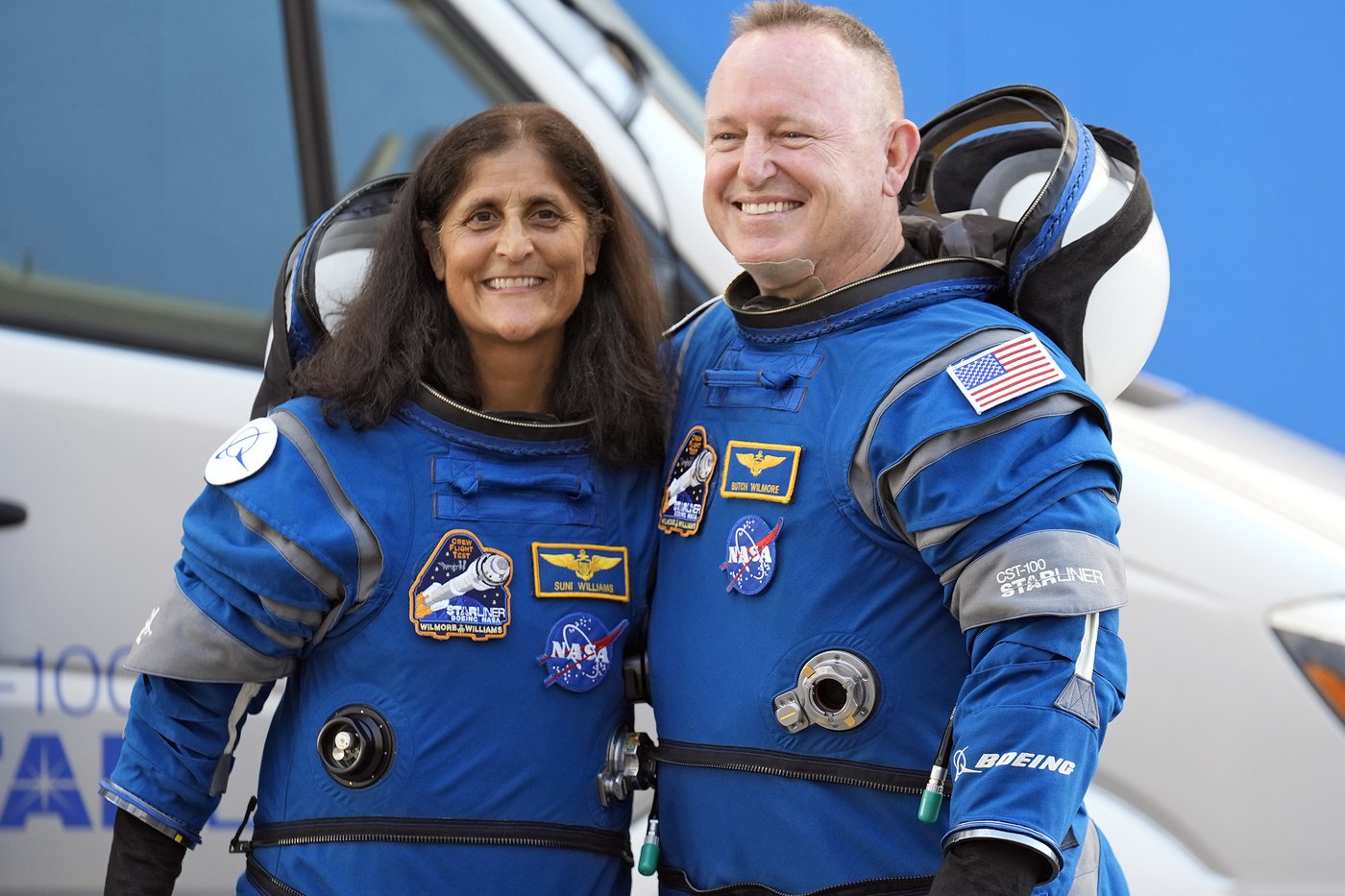
In June 2024, Wilmore and fellow astronaut Sunita “Suni” Williams launched aboard Boeing’s Starliner for its first crewed test flight, a mission expected to last eight days. However, the spacecraft encountered thruster failures and helium leaks, raising safety concerns. NASA and Boeing spent weeks troubleshooting, ultimately deeming it too risky to bring the astronauts back on Starliner. The duo’s brief trip ballooned into a 286-day stay on the ISS.
How Did Wilmore and Williams Adapt?
Wilmore and Williams, both seasoned astronauts, took the unexpected extension in stride. They integrated into the ISS crew, conducting experiments and maintenance tasks. Their preparedness and professionalism shone through, as they quashed media narratives of being “stranded” or “abandoned,” emphasizing their commitment to NASA’s mission. “We come prepared. We come committed,” Wilmore told CNN in February 2025.
Life Aboard the ISS: A Nine-Month Odyssey
Daily Life in Zero Gravity
Living on the ISS for nine months is no small feat. Astronauts follow a structured schedule, balancing scientific experiments, exercise, and maintenance. Wilmore and Williams conducted research on muscle loss and microalgae growth, contributing valuable data to NASA’s ongoing studies. Their ability to adapt to the prolonged mission highlighted their mental and physical fortitude.
Challenges of Extended Spaceflight
Extended time in space poses unique challenges:
- Physical Toll: Microgravity can lead to muscle atrophy and bone density loss, requiring daily exercise.
- Mental Strain: Isolation and confinement test even the toughest minds.
- Logistical Hurdles: Limited supplies and reliance on resupply missions add complexity.
Wilmore’s naval training and test-pilot mindset helped him navigate these challenges with grace.
The Return: A SpaceX Rescue Mission
Why Starliner Couldn’t Bring Them Home
After months of analysis, NASA opted to return Starliner to Earth without its crew, a decision driven by safety concerns over the spacecraft’s thruster issues. Instead, Wilmore and Williams joined SpaceX’s Crew-9 mission, returning on March 18, 2025, after a splashdown off Florida’s coast. The sight of dolphins circling their capsule added a poetic touch to their homecoming.
The Emotional Homecoming
Wilmore’s daughter, Daryn, described the reunion as bittersweet. “It’s been mentally exhausting,” she told the Daily Mail, citing the mission’s delays and uncertainties. Yet, she celebrated her father’s resilience, planning to bake his favorite pecan pie to welcome him home. This personal touch underscores the human side of space exploration, where families endure the emotional weight of such missions.
Why Did Wilmore Retire?
A Career Fulfilled
At 62, Wilmore retired after a career that spanned four spacecraft—Space Shuttle Atlantis, Russian Soyuz, Boeing Starliner, and SpaceX Crew Dragon—and 464 days in orbit. His final mission, though challenging, was a testament to his dedication. “His lasting legacy of fortitude will inspire future explorers,” said Steve Koerner, acting director of NASA’s Johnson Space Center.
Following in Footsteps
Wilmore’s retirement mirrors that of astronauts Bob Behnken and Doug Hurley, who retired after SpaceX’s first crewed Crew Dragon flight in 2020. Test pilots often step away after landmark missions, passing the torch to the next generation. Wilmore’s decision reflects a natural transition after achieving his career’s pinnacle.
The Legacy of Butch Wilmore
A Career of Milestones
Wilmore’s 25 years at NASA were marked by significant achievements:
- Three Missions: Including Atlantis, Soyuz, and Starliner flights.
- Five Spacewalks: Totaling 32 hours outside the ISS.
- 464 Days in Space: With his final mission accounting for 286 days.
His contributions extended beyond flight, as he mentored younger astronauts and advanced NASA’s mission of human space exploration.
Inspiring the Next Generation
Wilmore’s story resonates with aspiring astronauts and dreamers alike. His “insatiable curiosity,” as he described in his farewell remarks, reflects a universal drive to explore the unknown. His ability to remain calm under pressure offers a model for resilience in high-stakes environments.
Comparing Wilmore’s Mission to Other Space Challenges
Starliner vs. Other Spacecraft Issues
| Mission | Spacecraft | Issue | Resolution | Duration Extended |
|---|---|---|---|---|
| Wilmore/Williams (2024) | Boeing Starliner | Thruster failures, helium leaks | Returned via SpaceX Crew-9 | 8 days to 286 days |
| Apollo 13 (1970) | Apollo Command Module | Oxygen tank explosion | Safe return via lunar module | No extension |
| Crew Dragon (2020) | SpaceX Crew Dragon | Minor docking issues | Resolved during mission | None |
Wilmore’s mission stands out for its extended duration, a rare occurrence in modern spaceflight. Unlike Apollo 13’s life-or-death crisis, Starliner’s issues were manageable but required significant adaptation.
Pros and Cons of Extended Space Missions
Pros
- Scientific Gains: More time for experiments, like Wilmore’s work on muscle loss.
- Crew Resilience: Builds skills for future long-duration missions, such as Mars trips.
- Public Interest: Captures global attention, inspiring STEM engagement.
Cons
- Health Risks: Prolonged microgravity impacts physical health.
- Emotional Toll: Extended separation from family can strain mental well-being.
- Logistical Costs: Requires additional resources and mission adjustments.
Wilmore’s mission highlighted both the rewards and challenges of extended spaceflight, offering lessons for future missions.
People Also Ask (PAA)
Why was Butch Wilmore stuck in space?
Wilmore and Suni Williams were not “stuck” but faced an extended mission due to technical issues with Boeing’s Starliner, including thruster failures and helium leaks. NASA deemed it unsafe to return them on Starliner, extending their ISS stay to 286 days.
How long was Butch Wilmore in space?
Wilmore spent 464 days in space across three missions, with his final mission lasting 286 days from June 2024 to March 2025. This extended stay was due to Starliner’s issues, making it one of NASA’s longest recent missions.
Why did Butch Wilmore retire?
Wilmore retired at 62 after a 25-year career, having achieved significant milestones. His final mission’s challenges and his readiness to transition to new endeavors likely influenced his decision, following the example of other test pilots.
What is the Boeing Starliner, and what went wrong?
Boeing’s Starliner is a reusable spacecraft designed for crewed missions to the ISS. During its first crewed flight in 2024, it experienced thruster failures and helium leaks, leading NASA to delay the astronauts’ return and use SpaceX instead.
The Human Side of Space Exploration
A Family’s Perspective
Wilmore’s daughter, Daryn, shared the emotional rollercoaster of his extended mission. “There’s been issues. There’s been negligence,” she told the Daily Mail, reflecting frustration with the delays. Yet, her pride in her father’s resilience shone through, as she planned to celebrate his return with homemade pecan pie. These personal stories remind us that astronauts are not just heroes but also parents and spouses navigating extraordinary circumstances.
The Power of Resilience
Wilmore’s ability to stay focused during uncertainty is a lesson for us all. Imagine being told your weeklong trip will stretch to nine months—most of us would panic. Yet, Wilmore’s calm, “It’s not about my feelings; it’s about our national goals,” reflects a mindset of duty and adaptability. His story is a reminder that challenges, whether in space or on Earth, can be met with preparation and commitment.
What’s Next for NASA and Boeing?
Boeing’s Starliner: A Path Forward
Despite the mission’s challenges, Wilmore expressed confidence in Starliner’s future. “We’re going to fix it, and I’d get on in a heartbeat,” he said at a March 2025 press conference. Boeing is now working to address the spacecraft’s issues, aiming to restore trust and compete with SpaceX in NASA’s crewed missions.
NASA’s Evolving Mission
NASA continues to push the boundaries of human spaceflight, with plans for lunar missions under the Artemis program and eventual Mars exploration. Wilmore’s mission underscores the importance of rigorous testing and adaptability, lessons that will shape future endeavors. For more on NASA’s plans, visit NASA’s official website.
FAQ: Your Questions Answered
How do astronauts prepare for extended missions?
Astronauts undergo years of training, including simulations, physical fitness, and psychological preparation. Wilmore’s naval background and test-pilot experience equipped him to handle unexpected challenges, like the Starliner delays.
What are the risks of long-duration spaceflight?
Risks include muscle and bone loss, radiation exposure, and mental health challenges. NASA mitigates these through exercise, shielding, and crew support systems, as seen during Wilmore’s mission.
How can I learn more about space exploration?
Explore resources like NASA’s Wonder Theory newsletter for updates on discoveries and missions. For kids, NASA’s STEM programs offer engaging activities.
What tools do astronauts use on the ISS?
Astronauts use specialized tools for experiments, repairs, and exercise. For those interested, NASA’s STEM store offers educational kits to simulate space tasks.
Is Boeing’s Starliner safe for future missions?
Boeing is addressing Starliner’s issues, and NASA remains optimistic about its potential. Wilmore’s confidence suggests it could become a reliable spacecraft with further refinements.
Conclusion: A Legacy Among the Stars
Butch Wilmore’s retirement marks the end of an era, but his legacy endures. From his naval service to his 464 days in space, Wilmore exemplified courage, curiosity, and commitment. His final mission, though fraught with challenges, showcased the resilience required for space exploration. As we look to the stars, Wilmore’s story inspires us to embrace the unknown with fortitude and hope. For more stories of space exploration, check out NASA’s mission archives.