A Ship with a Storied Past
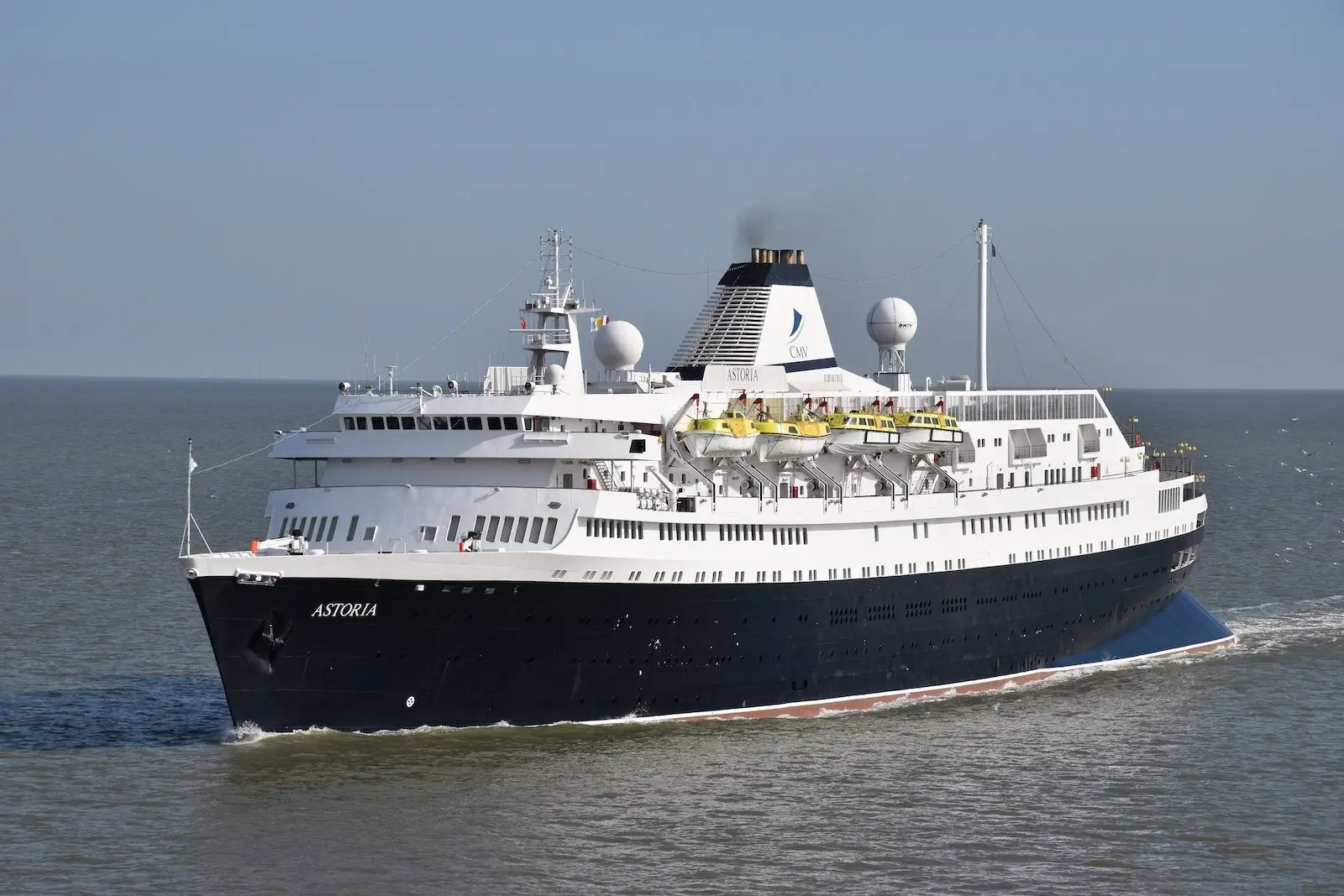
In 1914, just two years after the Titanic’s ill-fated voyage, a steam-powered vessel named SS Medina slid off the shipyard in Newport News, Virginia. Built for the Mallory Steamship Company, this ship was no ordinary vessel—it was destined to become the world’s oldest active passenger ship, a title it held until its retirement in 2009. Over its 111-year journey, the ship wore many names—SS Roma, MS Franca C, MV Doulos—and served as everything from a cargo hauler to a missionary bookshop. But its latest chapter, as a luxury hotel on dry land, is perhaps its most extraordinary yet.
The Visionary Behind the Transformation
Eric Saw: A Steward with a Dream
Eric Saw, a 74-year-old Singaporean businessman, didn’t just see a rusty old ship when he stumbled upon the MV Doulos in 2010. He saw a legacy worth preserving. A devout Christian and former restaurateur, Saw felt a divine calling to save this historic vessel from the scrapyard. With no clear plan but an unshakable conviction, he purchased the ship for 900,000 euros ($1.1 million) and embarked on a 15-year odyssey to transform it into a luxury hotel.
A Leap of Faith
Saw’s decision wasn’t driven by profit alone. He envisioned the ship, now called Doulos Phos (“Servant of Light” in Greek), as a beacon of heritage and hospitality. “If I didn’t have this project, maybe I’d have a Ferrari and a Lamborghini at home,” he quipped during a CNN interview, his humor masking the monumental financial and emotional investment he poured into the venture—23 million Singapore dollars ($18 million) of his own money. For Saw, this was about stewardship, not ownership.
A Century of Adventures
From Onions to Ocean Liner
The SS Medina began its life humbly, ferrying onions and goods along the U.S. coast. During World War II, it was conscripted to aid the American war effort, proving its resilience. By 1948, it was reborn as SS Roma, a passenger ship, and later as MS Franca C, a Mediterranean cruise liner. Its most iconic role came in 1977 when it became MV Doulos, a floating library and missionary ship operated by Gute Bücher für Alle, visiting 108 countries and welcoming over 22 million visitors.
A Brush with Danger
The ship’s global journey wasn’t without peril. In 1991, while docked in Zamboanga City, Philippines, the MV Doulos was attacked by the Abu Sayyaf terrorist group. A grenade exploded during a performance, killing two crew members and four locals. Yet, the ship sailed on, a testament to its enduring spirit and the dedication of its volunteer crew. This dramatic moment only deepened its legacy as a vessel of hope and resilience.
The Challenge of Transformation
Saving a Ship from the Scrapyard
By 2009, the MV Doulos was no longer seaworthy. New maritime regulations demanded costly upgrades—estimated at over 10 million euros—that its owners couldn’t justify. Facing the grim prospect of being dismantled for scrap, the ship sat in a Singapore dry dock, awaiting its fate. Enter Eric Saw, whose bold bid saved it from destruction, though the real challenge was just beginning.
The Logistics of Moving a Giant
Moving a 6,800-ton, 428-foot-long ship onto dry land was no small feat. Saw chose Bintan, Indonesia, a tropical island known for its beach resorts, as the ship’s final resting place. To make it happen, he leased an anchor-shaped spit of reclaimed land, a nod to the ship’s nautical roots. In 2015, after refurbishment in Batam, Indonesia, the ship was towed to Bintan. Engineers excavated a basin, built a concrete platform with piles driven over 130 feet into the seabed, and used airbags and winches to drag the vessel 550 feet ashore—a seven-week ordeal that tested Saw’s resolve.
The Nail-Biting Move
“On a good day, five meters; on a bad day, not even one meter,” Saw recalled, describing the painstaking process of hauling the ship. The operation, which took three times longer than planned, was a logistical marvel, blending old-school engineering with sheer determination. The result? A ship perched proudly on land, its massive propeller and riveted hull fully exposed for the first time in a century.
Reimagining the Interior
Converting a century-old ship into a five-star hotel required both vision and expertise. Naval architects ensured the hull remained structurally sound, while conventional architects reconfigured cramped cabins into 93 luxurious rooms and suites. New plumbing, electrical systems, elevators, and fire escapes were installed to meet modern building codes. Yet, Saw preserved the ship’s soul—original portholes, lifeboats, and even the engine room remain as nods to its seafaring past.
Balancing Heritage and Modernity
Saw’s team faced the challenge of expanding tiny cabins, once designed for four people, into spacious accommodations. Large windows replaced small portholes, and heavy metal doors now open onto private balconies. Original rivets were repurposed into furniture, blending history with luxury. “We felt we could keep the heritage of the vessel,” Saw said, ensuring every change was reversible should a future owner wish to return it to the sea.
The Doulos Phos Experience
A Hotel Like No Other
Today, Doulos Phos The Ship Hotel offers a unique blend of maritime history and modern comfort. Guests sleep in “cabins,” not rooms, and walk on “decks,” not floors. The ship’s low-ceilinged passageways and porthole windows create an authentic nautical vibe—so much so that Saw jokes some guests feel “seasick” when peering at the waves outside. With rates ranging from $105 to $235 per night, it’s an accessible luxury for families and history buffs alike.
What Guests Can Expect
- Maritime Heritage Museum: Explore the preserved engine room and “experience cabins” that showcase the ship’s original living quarters.
- Dining with a View: The hotel’s restaurant, housed in a new two-story structure at the bow, offers panoramic sea views and fresh seafood.
- Unique Activities: Guests can recreate the iconic Titanic pose on the forecastle or relax by the infinity pool and spa.
- Cultural Events: The hotel hosts concerts and exhibitions in its small amphitheater, celebrating the ship’s missionary past.
Pros and Cons of Staying at Doulos Phos
| Pros | Cons |
|---|---|
| Unique nautical experience with historical charm | Limited room size due to original ship structure |
| Stunning sea views from private balconies | Remote location may require ferry travel |
| Affordable luxury with rates starting at $105 | Some guests may find the ship’s layout claustrophobic |
| Access to Bintan’s beaches and resorts | Limited on-site amenities compared to larger resorts |
The Journey to Opening
A False Start
The hotel’s grand opening in 2019 was overshadowed by the COVID-19 pandemic. Strict travel restrictions in Indonesia and Singapore halted tourism, forcing a temporary closure. It wasn’t until 2023, when borders fully reopened, that Doulos Phos welcomed guests again. Saw’s perseverance paid off, turning a setback into a triumphant relaunch.
A Labor of Love
Saw’s journey was fraught with challenges—financial strain, rejected proposals, and years of uncertainty. For three years, the ship sat in a Singapore shipyard, costing $25,000 monthly in upkeep. Yet, his faith and weekly prayer meetings with supporters kept him grounded. “When the Bible tells you that prayer changes things, you better believe it!” he told Salt&Light. His story is a reminder that passion and purpose can overcome even the steepest odds.
Comparing Doulos Phos to Other Unique Hotels
| Hotel | Location | Unique Feature | Price Range (Per Night) |
|---|---|---|---|
| Doulos Phos The Ship Hotel | Bintan, Indonesia | World’s oldest passenger ship turned hotel | $105–$235 |
| Queen Mary Hotel | Long Beach, California | Retired ocean liner with Art Deco interiors | $150–$400 |
| Sunborn Yacht Hotel | Gibraltar | Luxury yacht hotel with modern amenities | $200–$500 |
| Iconic Santorini | Santorini, Greece | Cave hotel carved into cliffs | $300–$800 |
Doulos Phos stands out for its affordability and historical significance, offering a maritime experience at a fraction of the cost of competitors like the Queen Mary. However, its remote location may deter some travelers compared to more accessible options like the Sunborn.
People Also Ask (PAA)
What is the world’s oldest passenger ship?
The MV Doulos, originally launched as SS Medina in 1914, held the title of the world’s oldest active ocean-going passenger ship until 2009. Now renamed Doulos Phos, it serves as a luxury hotel in Bintan, Indonesia, preserving its century-long legacy.
Where is Doulos Phos The Ship Hotel located?
Doulos Phos is located on an anchor-shaped spit of reclaimed land in Bintan, Indonesia, near the Bandar Bentan Telani ferry terminal. It’s a short ferry ride from Singapore, making it accessible for regional travelers.
How much does it cost to stay at Doulos Phos?
Cabins at Doulos Phos range from 1.7 million to 3.8 million Indonesian rupiah ($105–$235) per night, offering an affordable yet luxurious stay with sea views and historical charm.
Can you visit the ship’s museum without staying at the hotel?
Yes, the Maritime Heritage Museum, including the engine room and experience cabins, is open to visitors. Contact Doulos Phos The Ship Hotel for tour availability and pricing.
Why Doulos Phos Matters
A Testament to Resilience
The story of Doulos Phos is more than a tale of a ship turned hotel—it’s a celebration of human ingenuity and determination. Eric Saw’s refusal to let a piece of history fade into obscurity mirrors the ship’s own resilience through wars, terrorist attacks, and the passage of time. Every rivet and porthole tells a story, inviting guests to step into a living piece of maritime history.
A Model for Sustainable Repurposing
In an era where old ships often end up as scrap, Doulos Phos offers a blueprint for sustainable repurposing. By transforming a decommissioned vessel into a functional hotel, Saw preserved a cultural artifact while creating a profitable venture. It’s a win-win that could inspire similar projects worldwide, from retired ferries to historic yachts.
Planning Your Visit
How to Get There
Bintan is easily accessible via a 60-minute ferry from Singapore’s Tanah Merah Ferry Terminal to Bandar Bentan Telani. From there, Doulos Phos is a five-minute drive. Book ferry tickets through Bintan Resorts and check hotel availability at Doulos Phos The Ship Hotel.
Best Time to Visit
Bintan enjoys a tropical climate, with the dry season (March to October) offering the best weather for beach activities and exploring the hotel. Avoid the monsoon season (November to February) for a more comfortable stay.
Tips for an Unforgettable Stay
- Book Early: Cabins sell out quickly during peak seasons.
- Explore the Museum: Don’t miss the engine room and lifeboats for a dose of history.
- Bring Seasickness Pills: Just in case the nautical vibes feel too real!
- Combine with Bintan Adventures: Pair your stay with snorkeling or golf at nearby resorts.
FAQ
Who owns Doulos Phos The Ship Hotel?
Eric Saw, a Singaporean businessman, owns and spearheaded the transformation of the MV Doulos into Doulos Phos The Ship Hotel. He purchased it in 2010 for $1.1 million.
What was the MV Doulos used for before becoming a hotel?
The MV Doulos served as a cargo ship, a World War II support vessel, a passenger liner, a cruise ship, and a missionary bookshop, visiting 108 countries over its 95-year sailing career.
Is Doulos Phos suitable for families?
Yes, the hotel welcomes families with activities like pool access and historical tours. Its unique setting appeals to kids and adults alike, though small cabins may feel cramped for larger groups.
Can the ship ever sail again?
Eric Saw claims all changes are reversible, meaning the ship could theoretically return to sea. However, given its current setup on a concrete platform, this seems unlikely.
How does Doulos Phos compare to other ship hotels?
Doulos Phos is more affordable than competitors like the Queen Mary and offers a unique historical narrative. Its remote location, however, may be less convenient than urban ship hotels.
A Legacy Anchored in Time
Doulos Phos The Ship Hotel is more than a place to stay—it’s a journey through time. From its humble beginnings hauling onions to surviving wars and terrorist attacks, the ship’s story is one of endurance and reinvention. Eric Saw’s $18 million gamble turned a fading relic into a vibrant destination, proving that with vision and grit, even the oldest of ships can find new life on shore. Whether you’re a history buff, a luxury traveler, or simply curious, Doulos Phos invites you to step aboard and write your own chapter in its remarkable tale.