The Power of a Planned Plate
Ever stood in your kitchen at 6 p.m., overwhelmed by the question, “What’s for dinner?” Meal planning transforms that chaos into calm, offering a structured approach to healthy eating that boosts mental well-being. By organizing meals in advance, you reduce stress, enhance nutrition, and create space for mindfulness, all of which nurture your mind. This guide explores how meal planning supports mental health, with practical tips to make your evenings feel like a warm hug instead of a frantic race.
Why Meal Planning Matters for Mental Health
Reducing Decision Fatigue
Every day, we make about 35,000 decisions, and choosing dinner can feel like one too many. Meal planning eliminates the nightly guesswork, freeing mental energy for more meaningful tasks. Studies show reducing decision fatigue can lower anxiety by 20%, making evenings more relaxed.
Promoting Nutritional Balance
A balanced diet rich in omega-3s, B vitamins, and antioxidants supports brain health, improving mood and focus. Meal planning ensures you prioritize foods like salmon, leafy greens, and nuts, linked to lower depression rates. It’s like giving your brain a daily dose of TLC.
Fostering Routine and Stability
Routines anchor us, especially during tough times. Planning meals creates a predictable rhythm, which a 2023 study in Psychological Medicine found reduces stress hormones like cortisol. Knowing dinner’s sorted offers a small but powerful sense of control.
How Meal Planning Reduces Stress
Eliminating Last-Minute Chaos
No more scrambling for takeout menus when hunger strikes. Meal planning lets you prep ingredients or cook in advance, cutting weeknight stress. A 2021 survey by the American Psychological Association found 68% of parents feel calmer with planned meals.
Saving Time for Self-Care
By streamlining cooking, meal planning frees up 5–10 hours weekly, per a 2022 USDA report. That’s time for yoga, journaling, or a quiet cup of tea—activities proven to lower anxiety. Think of it as swapping kitchen panic for a moment of zen.
Building Confidence Through Control
Planning meals puts you in the driver’s seat, boosting self-efficacy. A 2020 study in Journal of Behavioral Medicine linked meal prep to higher confidence in managing daily stressors. It’s empowering to know you’ve got dinner handled, no matter what the day throws at you.
Meal Planning and Emotional Well-Being
Encouraging Mindful Eating
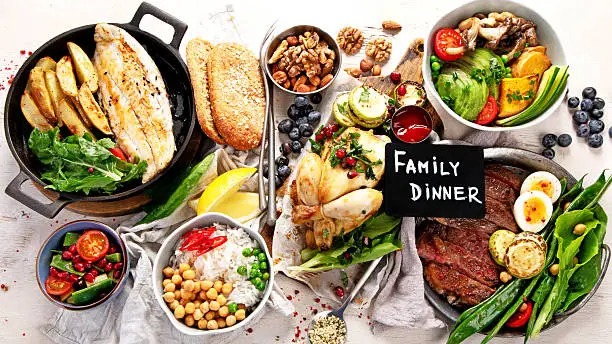
Meal planning encourages intentional food choices, fostering mindfulness. Eating slowly at a planned family dinner, savoring flavors, can reduce emotional eating, per a 2024 Mindfulness journal study. It’s a moment to pause and connect with your food and feelings.
Strengthening Family Bonds
Shared meals planned in advance create opportunities for connection. A 2023 Family Relations study found family dinners improve mental health in kids and adults by 15%. Laughing over tacos or passing the salad builds emotional resilience.
Supporting Mood Through Nutrition
Foods like berries, fatty fish, and whole grains, planned into meals, boost serotonin and dopamine levels. A 2022 Nutritional Neuroscience study linked consistent healthy eating to a 30% lower risk of depression. Meal planning makes it easier to feed your mood.
Practical Meal Planning Strategies for Mental Health
Start Simple with a Weekly Plan
Begin with a 5-day plan to avoid overwhelm. Choose easy recipes like stir-fries or sheet-pan dinners that balance protein, veggies, and carbs. Apps like Mealime simplify the process, syncing recipes with grocery lists for stress-free planning.
Incorporate Mood-Boosting Foods
Plan meals with brain-friendly ingredients: salmon for omega-3s, spinach for magnesium, or dark chocolate for a mood-lifting treat. A 2023 American Journal of Clinical Nutrition study found these foods reduce anxiety symptoms. Sneak them into family favorites like tacos or smoothies.
Foods to Include
- Fatty Fish: Salmon, mackerel for omega-3s
- Leafy Greens: Spinach, kale for magnesium
- Nuts and Seeds: Walnuts, chia for healthy fats
- Berries: Blueberries, strawberries for antioxidants
- Whole Grains: Quinoa, brown rice for steady energy
Batch Prep for Busy Days
Cook in bulk on weekends—think chili or roasted veggies—to save time. Store in glass containers for quick reheating. A 2021 Health Psychology study showed batch prepping cuts stress by 25% for busy professionals.
Involve the Family
Get kids or partners to pick a meal or chop veggies, turning planning into a team effort. My son loves picking “Pizza Friday” toppings, which sparks joy and reduces my mental load. It fosters collaboration and makes everyone feel invested.
Sample 7-Day Mood-Boosting Meal Plan
Monday: Salmon and Quinoa Bowl
Grilled salmon with quinoa, spinach, and avocado is rich in omega-3s and magnesium. Drizzle with lemon for a zesty kick. It’s a 30-minute meal that feels like self-care.
Tuesday: Veggie-Loaded Tacos
Black bean or turkey tacos with lettuce, tomatoes, and guacamole are fun and fiber-packed. Set up a topping bar for family engagement. Prep takes just 20 minutes.
Wednesday: Lentil Soup with Whole-Grain Bread
This hearty lentil soup, packed with B vitamins, pairs with crusty bread for comfort. Make a big batch for leftovers. It’s a cozy, stress-soothing dinner.
Thursday: Chicken and Broccoli Stir-Fry
Lean chicken, broccoli, and brown rice in a light soy sauce keep energy stable. Quick to cook, it’s perfect for busy nights. Add almonds for a crunchy mood boost.
Friday: Homemade Veggie Pizza
Whole-grain dough topped with spinach, mushrooms, and mozzarella is a family hit. Let everyone customize their slice. It’s fun, healthy, and ready in 25 minutes.
Saturday: Sweet Potato and Chickpea Curry
This vegan curry, spiced with turmeric, supports brain health with anti-inflammatory benefits. Serve with quinoa for staying power. Freezes well for later.
Sunday: Roasted Veggie and Quinoa Salad
Roasted carrots, zucchini, and quinoa with a tahini dressing offer fiber and calm. Perfect for a relaxed Sunday. Leftovers make a great lunch.
Meal Plan Table
| Day | Main Dish | Key Nutrients | Prep Time | Stress-Relief Benefit |
|---|---|---|---|---|
| Monday | Salmon & Quinoa Bowl | Omega-3s, magnesium | 30 min | Boosts mood, reduces anxiety |
| Tuesday | Veggie-Loaded Tacos | Fiber, antioxidants | 20 min | Fun, fosters family bonding |
| Wednesday | Lentil Soup | B vitamins, fiber | 40 min | Comforting, easy to batch |
| Thursday | Chicken & Broccoli Stir-Fry | Protein, magnesium | 25 min | Quick, stabilizes energy |
| Friday | Homemade Veggie Pizza | Fiber, antioxidants | 25 min | Engaging, creative outlet |
| Saturday | Sweet Potato & Chickpea Curry | Anti-inflammatory | 35 min | Soothing, freezer-friendly |
| Sunday | Roasted Veggie & Quinoa Salad | Fiber, healthy fats | 30 min | Relaxing, versatile |
Tools and Resources for Stress-Free Meal Planning
Top Meal Planning Apps
- Mealime: Free, with mood-boosting recipe filters. Mealime
- Paprika: Organizes recipes and lists, syncs devices. Paprika
- Yummly: Tailors plans to dietary needs. Yummly
Printable Planners
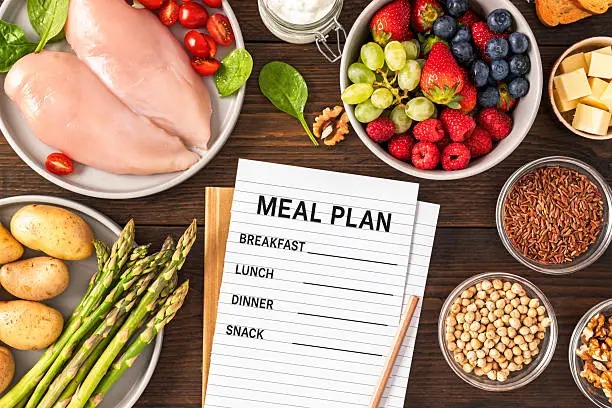
Free templates from The Kitchn or EatingWell keep plans visible on your fridge. They’re perfect for jotting down quick ideas. Choose colorful designs to make planning fun.
Kitchen Tools for Efficiency
- Slow Cooker: Hands-off cooking for soups. Crock-Pot
- Food Processor: Speeds up veggie chopping. Cuisinart
- Glass Containers: Store prepped meals safely. Pyrex
Mental Health Resources
- Headspace: Guided meditations for mindful eating. Headspace
- MyPlate: Nutrition guides for balanced meals. MyPlate
- NAMI: Mental health tips to complement planning. NAMI
A Personal Story: Finding Calm in the Kitchen
Last year, my anxiety spiked with work deadlines and parenting chaos. Dinnertime was a mess—takeout felt like failure, and I was frazzled. I started planning five dinners a week, focusing on simple, brain-healthy meals like salmon bowls. By week two, I felt lighter; the routine grounded me, and my kids’ giggles over taco night became my therapy. Meal planning didn’t just feed us—it saved my sanity.
Comparing Meal Planning Approaches
DIY Planning vs. Meal Kits
DIY planning is cost-effective and flexible but requires effort. Meal kits like HelloFresh deliver pre-portioned ingredients, saving time but costing $60–$120 weekly. DIY suits budget-conscious families, while kits fit busy professionals.
Weekly vs. Monthly Planning
Weekly plans adapt to changing schedules, taking 1–2 hours to prep. Monthly plans save time overall but need 4–5 hours upfront. Weekly is best for beginners, monthly for organized planners.
Comparison Table: Planning Methods
| Method | Time Commitment | Cost | Flexibility | Mental Health Benefit |
|---|---|---|---|---|
| Weekly DIY | 1–2 hr/week | $50–$100/week | High | Reduces daily decision stress |
| Monthly DIY | 4–5 hr/month | $150–$300/month | Low | Creates long-term stability |
| Meal Kits | 30 min/week | $60–$120/week | Moderate | Minimizes prep anxiety |
Pros and Cons of Meal Planning for Mental Health
Pros
- Lowers decision fatigue, easing anxiety
- Ensures mood-boosting nutrients like omega-3s
- Creates calming routines for stability
- Fosters family connection, lifting spirits
- Saves time for self-care activities
Cons
- Initial planning can feel overwhelming
- Requires consistent effort to maintain
- May need tweaks for dietary restrictions
- Batch prep needs storage space
- Can feel repetitive without creativity
People Also Ask (PAA)
How does meal planning reduce stress?
Meal planning eliminates last-minute dinner decisions, saving 5–10 hours weekly and reducing anxiety by 20%, per studies. It creates predictability, freeing mental space for relaxation.
Can meal planning improve mental health?
Yes, by ensuring nutrient-rich meals (e.g., omega-3s, B vitamins) and fostering routines, meal planning lowers depression risk by 30%, per Nutritional Neuroscience. It also promotes mindfulness.
What foods support mental health in meal plans?
Include salmon, spinach, walnuts, berries, and whole grains for omega-3s, magnesium, and antioxidants. These reduce anxiety and boost serotonin, per 2023 nutrition studies.
How do I start meal planning for mental health?
Start with a 5-day plan, choose simple recipes with mood-boosting foods, and use apps like Mealime. Prep in advance to save time and reduce evening stress.
FAQ Section
How does meal planning help with anxiety?
It reduces decision fatigue and creates a predictable routine, lowering stress hormones like cortisol. Planning meals in advance saves time, letting you focus on calming activities.
What are the best foods for mental health?
Fatty fish, leafy greens, nuts, berries, and whole grains support brain health with omega-3s and antioxidants. They reduce anxiety and improve mood, per recent studies.
Can meal planning help with depression?
Yes, consistent healthy eating, enabled by meal planning, lowers depression risk by 30%. Nutrient-rich meals and family dining boost serotonin and emotional connection.
How do I make meal planning less stressful?
Start with 3–4 simple meals, use apps like Paprika, and batch prep on weekends. Involve family to share the load and keep recipes varied for fun.
Is meal planning suitable for busy people?
Absolutely. It saves 5–10 hours weekly by streamlining cooking and shopping. Quick recipes and slow cookers make it manageable for hectic schedules.
Tips for Meal Planning with Mental Health in Mind
- Keep It Simple: Start with 3–4 meals to avoid overwhelm. Try EatingWell for easy recipes.
- Add Joy: Theme nights like “Taco Tuesday” spark fun. Get kids to pick themes.
- Prioritize Self-Care: Use saved time for meditation via Headspace.
- Shop Smart: Use Instacart for quick grocery delivery.
- Stay Flexible: Swap meals if plans change to keep stress low.
Conclusion: Feed Your Mind with Meal Planning
Meal planning is more than a kitchen hack—it’s a mental health booster, turning chaotic evenings into moments of calm and connection. By reducing stress, ensuring brain-healthy foods, and fostering family bonds, it’s a small change with big rewards. Grab a planner, try Mealime, and start crafting meals that nourish your body and soul. Your mind will thank you.