A High-Stakes Diplomatic Dance
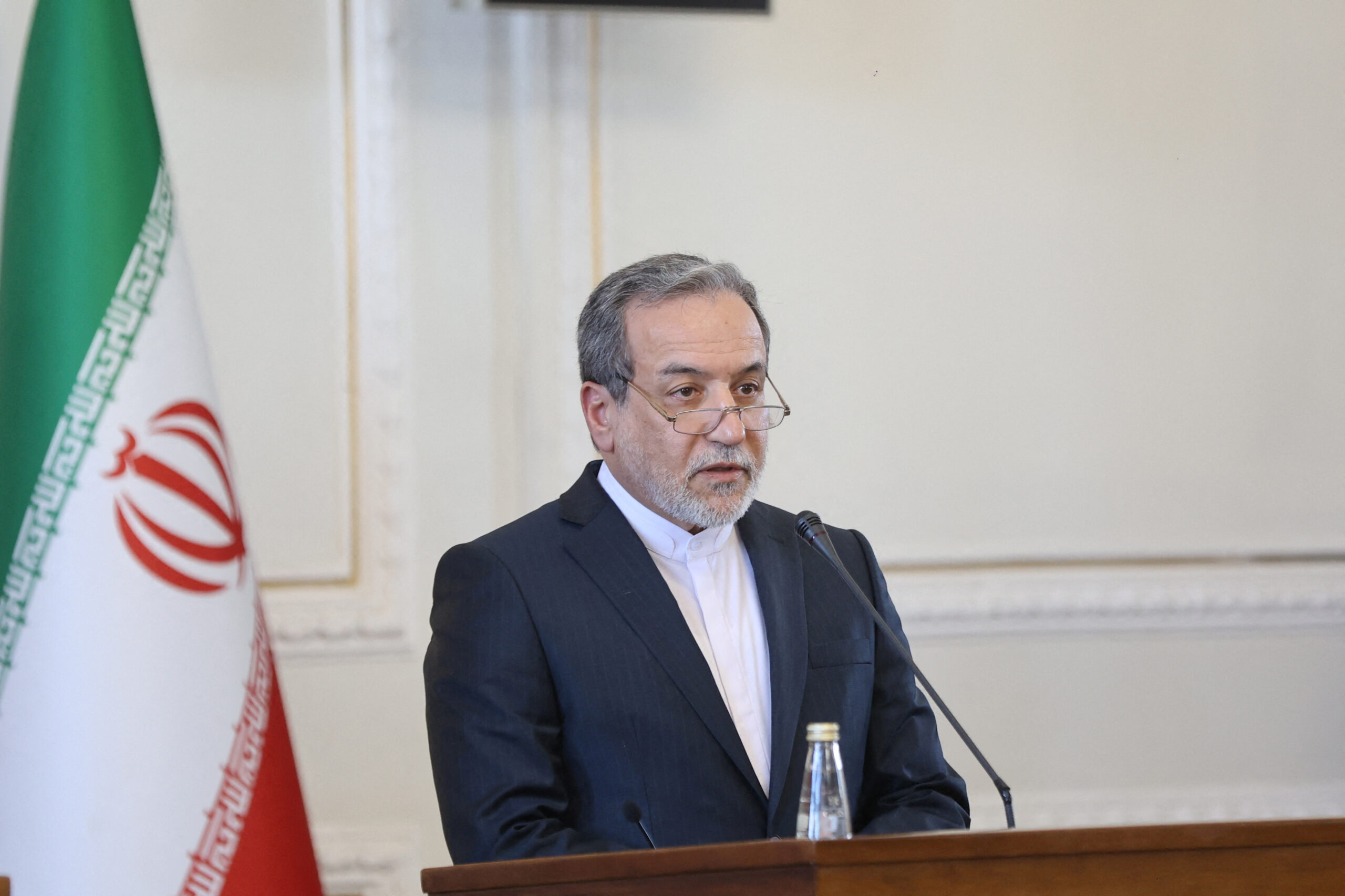
On August 23, 2025, Iran’s Foreign Minister Abbas Araghchi picked up the phone to speak with his counterparts in France, Germany, and the United Kingdom. The call wasn’t just a routine check-in—it was a critical move to stave off the reimposition of United Nations sanctions as part of the 2015 Joint Comprehensive Plan of Action (JCPOA). With a European deadline looming on August 31, the stakes couldn’t be higher. Iran’s nuclear program, a decades-long flashpoint in global politics, has once again thrust the nation into a delicate balancing act of diplomacy, defiance, and strategic calculation.
The Backdrop: A Fragile Nuclear Deal
What Is the JCPOA?
The JCPOA, signed in 2015, was a landmark agreement between Iran and six world powers: the United States, France, Germany, the UK, China, and Russia. Iran agreed to limit its nuclear program—capping uranium enrichment at 3.67% and allowing extensive inspections by the International Atomic Energy Agency (IAEA)—in exchange for relief from crippling economic sanctions. The deal aimed to prevent Iran from developing nuclear weapons while allowing it to maintain a civilian nuclear program.
Why Is the Deal in Trouble?
The JCPOA began unraveling when the U.S. withdrew in 2018 under President Donald Trump, reinstating harsh sanctions. Iran retaliated by ramping up uranium enrichment, reaching levels as high as 60%—dangerously close to the 90% needed for weapons-grade material. A 12-day war with Israel in June 2025, during which Iranian nuclear sites were bombed, further complicated matters. Iran cut off IAEA cooperation, leaving the world in the dark about its nuclear activities.
The Current Crisis: Sanctions and Snapback
What Is the Snapback Mechanism?
The “snapback” mechanism in the JCPOA allows any party to the deal to reimpose U.N. sanctions if Iran is found noncompliant. This provision expires in October 2025, giving European nations a narrow window to use it as leverage. If activated, snapback would reinstate sanctions on Iran’s arms trade, banking, and nuclear program, potentially isolating Tehran further. After October, China or Russia could veto new sanctions at the U.N. Security Council.
The European Ultimatum
On August 8, France, Germany, and the UK—collectively known as the E3—issued a letter warning Iran of snapback sanctions unless a “satisfactory solution” is reached by August 31. The E3’s concerns stem from Iran’s high-level uranium enrichment and its refusal to allow IAEA inspections post-war. The deadline leaves little time for meaningful negotiations, especially given years of stalled talks and growing European skepticism.
Iran’s Position: Defiance and Diplomacy
Iran’s Claim of a Peaceful Program
Iran has long maintained that its nuclear program is for civilian purposes, such as energy production. Yet, it remains the only non-nuclear-armed nation enriching uranium to 60%, raising global alarm. The U.S. and IAEA assert Iran had a nuclear weapons program until 2003, a claim Tehran denies. Despite this, Foreign Minister Araghchi has emphasized Iran’s openness to diplomacy, provided it respects the “rights and interests of the Iranian people.”
The Impact of the Iran-Israel War
The June 2025 conflict with Israel, which saw U.S. and Israeli strikes on Iranian nuclear facilities, has hardened Tehran’s stance. Iran blames the IAEA for not condemning the attacks, accusing it of bias. President Masoud Pezeshkian has called for the agency to end its “double standards,” while Iran has threatened to arrest IAEA Director-General Rafael Grossi if he visits the country.
The European Perspective: Pressure and Pragmatism
Why Europe Is Pushing Hard
The E3 sees the snapback mechanism as their last major leverage before it expires. France’s Foreign Minister Jean-Noël Barrot, after the August 23 call, confirmed another round of talks would occur the following week, underscoring that “time is running out.” Germany’s Johann Wadephul echoed this, warning that Iran must engage substantively to avoid sanctions. The E3 wants Iran to restore IAEA access and curb enrichment, but years of fruitless talks have left them wary.
The Role of the EU
The European Union’s chief diplomat, Kaja Kallas, joined the August 23 call, signaling the EU’s commitment to a diplomatic resolution. Kallas has publicly stated that Iran must never acquire a nuclear weapon, emphasizing diplomacy as the path forward. The EU’s involvement adds weight to the E3’s efforts, but it also highlights the complexity of aligning multiple stakeholders.
The Global Stakes: Beyond Iran and Europe
The Role of China and Russia
Iran has hinted at consulting “friends” like China and Russia to counter the snapback threat. Both nations, which stayed neutral during the June war, have historically supported Iran at the U.N. Security Council. Their potential veto power post-October makes the E3’s current leverage critical. Iran’s Deputy Foreign Minister Kazem Gharibabadi has warned that snapback could push Iran to exit the Nuclear Non-Proliferation Treaty (NPT), escalating tensions further.
The U.S. Factor
The U.S., no longer a JCPOA signatory, looms large. President Trump’s strikes on Iranian nuclear sites in June and his claim that Iran is “eager to talk” but he’s in “no rush” signal a hardline stance. U.S. Secretary of State Marco Rubio has coordinated with the E3, backing their August deadline. Any new deal would likely require U.S. involvement, but Tehran’s distrust of Washington complicates this.
Comparing the JCPOA’s Past and Present
| Aspect | 2015 JCPOA | 2025 Situation |
|---|---|---|
| Uranium Enrichment | Capped at 3.67% | Reached 60%, near weapons-grade |
| IAEA Access | Extensive monitoring | Suspended since June 2025 |
| Sanctions | Lifted in exchange for compliance | Threat of snapback by August 31, 2025 |
| U.S. Involvement | Key signatory | Withdrawn since 2018, hostile stance |
| Snapback Deadline | Not applicable in 2015 | Expires October 2025 |
This table highlights how far the situation has deteriorated since the JCPOA’s signing, with Iran’s advancements and the U.S. withdrawal creating a volatile mix.
Pros and Cons of Reimposing Sanctions
Pros of Snapback Sanctions
- Pressure on Iran: Could force Tehran back to the negotiating table.
- Global Signal: Reinforces the international community’s stance against nuclear proliferation.
- Leverage: Maximizes European influence before the snapback expires.
Cons of Snapback Sanctions
- Economic Fallout: Further strains Iran’s economy, potentially destabilizing the region.
- Escalation Risk: Iran may exit the NPT or increase enrichment to 90%.
- Diplomatic Breakdown: Could end negotiations, isolating Iran further.
A Personal Reflection: The Human Cost
I once met a young Iranian student at a global affairs conference who spoke passionately about her country’s desire for respect on the world stage. She argued that Iran’s nuclear program wasn’t about weapons but about pride and sovereignty—a way to prove Iran could stand toe-to-toe with global powers. Her words stuck with me as I read about the latest talks. Behind the geopolitics are millions of Iranians facing economic hardship from sanctions, their lives shaped by decisions made in distant capitals. The human toll of this standoff—whether it’s sanctions or potential conflict—reminds us that diplomacy isn’t just about power plays; it’s about people.
What’s Next for Iran and the E3?
Upcoming Talks
The August 23 call ended with a commitment to further discussions, with deputy ministers set to meet on August 29. These talks, a continuation of an August 11 meeting with IAEA deputy Massimo Aparo, will focus on restoring IAEA access and addressing enrichment levels. However, with only days until the deadline, a breakthrough seems unlikely.
Potential Outcomes
- Diplomatic Success: Iran agrees to limit enrichment and restore IAEA access, delaying snapback.
- Sanctions Triggered: The E3 activates snapback, escalating economic pressure and tensions.
- Stalemate: Talks falter, and Iran escalates its nuclear activities, risking conflict.
People Also Ask (PAA)
What is the Iran nuclear deal?
The JCPOA, signed in 2015, is an agreement where Iran limited its nuclear program in exchange for sanctions relief. It involved the U.S., E3, China, Russia, and the EU, but the U.S. withdrew in 2018, leading to Iran’s non-compliance.
Why are European nations threatening sanctions?
The E3 is concerned about Iran’s 60% uranium enrichment and lack of IAEA cooperation, especially after the June 2025 war. They aim to use the snapback mechanism to pressure Iran before it expires in October.
What happens if sanctions are reimposed?
Snapback sanctions would target Iran’s arms trade, banking, and nuclear program, deepening economic woes. Iran might retaliate by exiting the NPT or enriching uranium to weapons-grade levels, risking further conflict.
Can Iran build a nuclear weapon?
The IAEA says Iran is far from building a nuclear weapon, but its 60% enrichment level is a concern. U.S. intelligence, as of March 2025, found no evidence of Iran pursuing a bomb.
Tools and Resources for Staying Informed
Best Tools for Tracking Nuclear Talks
- IAEA Website: Offers quarterly reports on Iran’s nuclear program. Visit IAEA
- Council on Foreign Relations: Provides detailed analyses of the JCPOA. Visit CFR
- Al Jazeera Nuclear Energy News: Covers Iran’s perspective and regional dynamics. Visit Al Jazeera
Where to Get Real-Time Updates
- X Platform: Follow accounts like @AP or @kajakallas for breaking news on Iran’s talks.
- News Aggregators: Sites like Google News compile updates from multiple sources.
- Think Tanks: DAWN and the European Council on Foreign Relations offer expert insights.
FAQ Section
Why is Iran enriching uranium to 60%?
Iran claims it’s for civilian purposes, like energy, but the level is far above the 3.67% cap set by the JCPOA. The U.S. and E3 see it as a step toward weapons-grade material, though Iran denies this intent.
What is the snapback mechanism?
It’s a JCPOA provision allowing any signatory to reimpose U.N. sanctions if Iran violates the deal. It expires in October 2025, after which China or Russia could veto new sanctions.
Why did Iran stop IAEA cooperation?
After the June 2025 war, Iran blamed the IAEA for not condemning U.S. and Israeli strikes on its nuclear sites. Tehran suspended inspections, citing bias and security concerns.
Can diplomacy resolve the crisis?
Diplomacy is possible if Iran restores IAEA access and limits enrichment, but mutual distrust and the tight deadline make it challenging. Both sides remain open to talks, as seen in the August 23 call.
What role does the U.S. play?
Though no longer in the JCPOA, the U.S. supports the E3’s efforts and has struck Iran’s nuclear sites. Any lasting deal would likely need U.S. involvement, but tensions with Tehran hinder progress.
The Bigger Picture: A World on Edge
As the August 31 deadline approaches, the world watches closely. Iran’s nuclear ambitions, the E3’s leverage, and the specter of U.S. and Israeli military action create a volatile mix. The outcome of these talks could shape not just Iran’s future but the stability of the Middle East and beyond. Diplomacy, as Araghchi’s call shows, remains the best hope—but time is running out, and the stakes are higher than ever.