In a world obsessed with polished perfection, where sleek designs and flawless aesthetics dominate, a quirky, toothy plush toy named Labubu has defied all expectations. With its jagged teeth, mismatched eyes, and mischievous grin, this “kind of ugly” creature has sparked a global frenzy, captivating collectors, fashionistas, and celebrities alike. But what is it about this odd little monster that has turned it into a cultural phenomenon? Let’s dive into the wild, wonderful world of Labubu and uncover why millions can’t get enough.
What Is Labubu? The Origins of a Plush Phenomenon
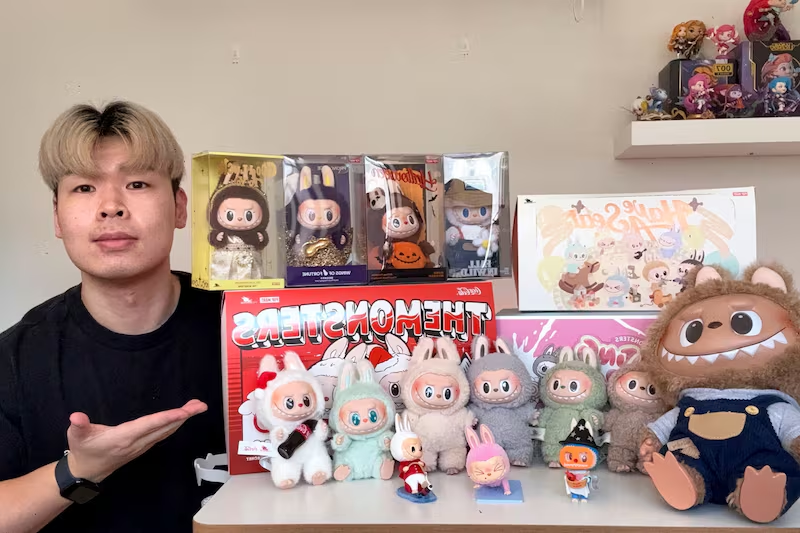
Labubu is a plush toy created by Hong Kong-born Belgian artist Kasing Lung, inspired by Nordic folklore and his “The Monsters” picture book series. Launched by Chinese designer toy company Pop Mart in 2018, Labubu is a small, furry creature with pointed ears, a toothy grin, and an endearing, slightly unsettling charm. It’s not your typical cuddly teddy bear—think of it as a gremlin with a heart of gold.
This peculiar toy first gained traction through Pop Mart’s “blind box” strategy, where buyers purchase a mystery package without knowing which specific design they’ll get. The thrill of the unknown, combined with Labubu’s quirky appeal, turned it into a collector’s dream. By 2025, Labubu had transformed from a niche Asian collectible into a global sensation, with fans lining up for hours and resellers flipping rare editions for thousands of dollars.
The Rise of the “Funny-Ugly” Aesthetic
Labubu’s success taps into a growing cultural trend: the rise of “funny-ugly” aesthetics. Unlike traditional toys with symmetrical faces and pastel colors, Labubu embraces imperfection with its distorted proportions and mischievous vibe. This aesthetic resonates with a generation craving individuality and rebellion against conventional beauty standards.
The “funny-ugly” trend isn’t just about toys—it’s a cultural shift. From viral green frog spoons to misshapen museum mascots, young consumers are drawn to quirky, imperfect designs that feel authentic and relatable. Labubu, with its jagged teeth and playful smirk, embodies this ethos, offering a refreshing antidote to the polished sameness of modern consumerism.
Why “Funny-Ugly” Appeals to Gen Z and Millennials
For Gen Z and Millennials, Labubu is more than a toy—it’s a statement. In a high-pressure, hyper-connected world, its oddball charm offers emotional comfort and a nostalgic escape. Collectors like Kevin Duong, a 23-year-old YouTuber, describe the joy of unboxing a blind box as a moment of pure, childlike excitement—a brief respite from adult stress. This blend of nostalgia and rebellion has made Labubu a symbol of self-expression for younger generations.
The Blind Box Craze: Why Surprise Fuels Obsession
Pop Mart’s blind box marketing is a masterclass in creating demand. Each Labubu comes in a sealed package, with buyers unaware of which design—color, outfit, or rarity—they’ll receive. This element of surprise, akin to opening a Pokémon card pack, hooks collectors and fuels a cycle of anticipation and reward.
The blind box phenomenon taps into the psychology of gambling, where the chance of landing a rare Labubu drives repeat purchases. According to toy design expert Markus Maciel, this strategy “inspires people to keep wanting to collect and collect and collect.” In 2024 alone, Pop Mart’s revenue doubled to $1.8 billion, with Labubu leading the charge.
The Thrill of the Hunt
The scarcity of certain Labubu designs amplifies their appeal. Fans like Tracy Hsu, a 42-year-old California housewife, have camped outside Pop Mart stores to snag limited-edition drops. “It’s like a treasure hunt,” she says. “You’re chasing that one rare Labubu, and when you get it, it’s pure joy.” This scarcity-driven excitement has turned Labubu into a global obsession, with long lines and sold-out stores from Singapore to Chicago.
Celebrity Endorsements: From BLACKPINK to Birkin Bags
Labubu’s meteoric rise owes much to celebrity endorsements. K-pop star Lisa from BLACKPINK sparked the craze in Southeast Asia when she shared her Labubu obsession on Instagram in April 2024. Her post, featuring a pink-and-yellow tie-dye Labubu, sent fans into a frenzy, with many crediting her for the toy’s global popularity. Since then, stars like Rihanna, Cher, and Lizzo have been spotted with Labubus dangling from their luxury handbags, elevating the toy to a fashion must-have.
Labubu as a Luxury Accessory
What started as a $15–$85 plush toy has become a status symbol among the elite. Fashion influencers like Jake (@whatsjakin on Instagram) have taken to dressing their Labubus in designer jewelry, from Cartier Love bracelets to Van Cleef tiaras. At a recent auction, a rare Labubu in a custom Sacai x Carhartt WIP onesie sold for $31,250, proving its place in the luxury market. As one journalist noted, “Labubu isn’t just a toy—it’s the new Birkin accessory.”
The Global Impact of Labubu Mania
Labubu’s reach extends far beyond Asia, with Pop Mart stores popping up in the U.S., Europe, and Australia. In 2024, the company’s market valuation soared to $38 billion, surpassing toy giants like Mattel and Hasbro. From Bangkok malls to Chicago storefronts, fans line up at dawn for restocks, while online drops sell out in minutes. The toy’s universal appeal lies in its ability to bridge cultures, blending Nordic folklore with modern pop culture.
Economic Powerhouse: Pop Mart’s Billion-Dollar Bet
Pop Mart’s savvy marketing has turned Labubu into a financial juggernaut. In 2023, China’s designer toy market surpassed $6.96 billion, with “funny-ugly” products like Labubu driving growth. The company’s 374 stores in China alone, coupled with its global expansion, have made it a dominant force in the collectible toy industry. For collectors like Ana Gonzales, who spent $500 on her Labubu collection, the investment is as much emotional as it is financial.
Why Labubu Resonates: Nostalgia, Community, and Self-Expression
At its core, Labubu’s appeal lies in its emotional resonance. For many, it’s a nostalgic throwback to childhood, when toys were a source of comfort and imagination. Grace Lee, a 36-year-old Singaporean collector, says, “Hanging a Labubu on my bag sparks conversations with strangers. It’s a small way to connect in a disconnected world.” This sense of community, amplified by social media platforms like TikTok and Xiaohongshu, has turned Labubu into a global bonding experience.
The Psychology of Collecting
Collecting Labubu isn’t just about owning a toy—it’s about chasing a feeling. The unpredictability of blind boxes, the thrill of landing a rare design, and the camaraderie among collectors create a dopamine-driven cycle. As Sory Park, a consumer research expert, notes, “Labubu’s unique designs, emotional connection, and exclusivity make it irresistible.” For many, it’s a way to reclaim joy in an often overwhelming world.
Pros and Cons of the Labubu Craze
Like any cultural phenomenon, Labubu has its upsides and downsides. Here’s a quick breakdown:
Pros:
- Emotional Comfort: Offers nostalgia and stress relief for adults.
- Community Building: Sparks connections among collectors worldwide.
- Affordable Luxury: At $15–$85, it’s an accessible status symbol.
- Creative Expression: Customizable with outfits and accessories.
Cons:
- Scarcity Issues: Limited stock leads to long lines and high resale prices.
- Knockoff Concerns: Fake Labubus flood e-commerce platforms, confusing buyers.
- Overhype Risk: Trend-driven popularity may fade over time.
Comparing Labubu to Other Collectible Toys
To understand Labubu’s place in the toy world, let’s compare it to other collectible crazes:
| Toy | Origin | Price Range | Key Appeal | Target Audience |
|---|---|---|---|---|
| Labubu | China (Pop Mart) | $15–$85 | Funny-ugly aesthetic, blind boxes | Adults (15+) |
| Squishmallows | USA | $10–$50 | Soft, cuddly, collectible | Kids & Adults |
| Beanie Babies | USA | $5–$100+ | Nostalgia, rare editions | All Ages |
| Funko Pop | USA | $10–$200 | Pop culture characters | Teens & Adults |
Labubu stands out for its adult-focused marketing and fashion-forward appeal, setting it apart from more kid-friendly toys like Squishmallows. Its blind box model also gives it an edge over Funko Pop’s predictable designs, though Beanie Babies share a similar scarcity-driven hype.
Where to Get Authentic Labubu Toys
Finding a genuine Labubu can be a challenge due to rampant knockoffs. Here are your best options:
- Pop Mart Stores: Visit physical stores in cities like Singapore, Chicago, or London for restocks (check social media for drop schedules).
- Pop Mart Website: Online drops sell out fast, but subscribing to newsletters helps.
- Authorized Retailers: Check trusted platforms like Pop Mart’s official site or major retailers like Amazon for verified products.
- Avoid Resellers Without Receipts: Fakes are common on eBay and Shopee, so always request proof of authenticity.
Pro Tip: Join Telegram groups or follow TikTok accounts like @purplekevin for real-time restock updates. Collectors like Kevy Oh share tips on spotting fakes by checking QR codes and tags.
How to Spot a Fake Labubu
With Labubu’s popularity, counterfeit toys are a growing issue. Here’s how to ensure you’re getting the real deal:
- Check the Packaging: Authentic Labubus come in Pop Mart’s branded blind boxes with a unique QR code.
- Inspect the Stitching: Genuine toys have clean, even stitches and high-quality materials.
- Verify the Tag: Look for Pop Mart’s logo and holographic details on the tag.
- Buy from Trusted Sources: Stick to official stores or resellers with receipts to avoid scams.
People Also Ask (PAA)
What is a Labubu doll?
A Labubu doll is a plush toy created by artist Kasing Lung and sold by Pop Mart. Inspired by Nordic folklore, it features a “funny-ugly” design with pointed ears, jagged teeth, and a mischievous grin, marketed primarily to adults through blind boxes.
Why is Labubu so popular?
Labubu’s popularity stems from its unique aesthetic, celebrity endorsements (like BLACKPINK’s Lisa), and the thrill of blind box collecting. Its emotional appeal and status as a fashion accessory have made it a global hit among Gen Z and Millennials.
How much does a Labubu cost?
Labubu toys range from $15 for small keychains to $85 for larger plush dolls. Rare editions can fetch hundreds or even thousands on the resale market, depending on design and exclusivity.
Where can I buy a Labubu?
You can buy authentic Labubus at Pop Mart stores, their official website, or authorized retailers like Amazon. Be cautious of fakes on platforms like eBay, and always verify authenticity with receipts or QR codes.
Is Labubu worth collecting?
For collectors, Labubu offers emotional value, community connection, and potential resale profit. However, the high cost of rare editions and risk of fakes make it a commitment. If you love the thrill of collecting, it’s a worthy pursuit.
Controversies and Criticisms
Not everyone is charmed by Labubu. Some X users, like @KBradJStorm, call it “ugly as sin,” comparing it to the polarizing Crocs trend. Others, like @ConservativeOG, have raised bizarre claims, alleging Labubu is an “incarnation of the demon Pazuzu” and planning to destroy the dolls to “send a message.” While these claims are unfounded and lack evidence, they highlight the toy’s polarizing nature. Critics also argue that the hype may fade, leaving collectors with overpriced plushies.
The Risk of Overhype
Like any trend, Labubu’s popularity could wane. Beanie Babies, once a collector’s goldmine, lost value when the bubble burst. Collectors should weigh the emotional joy against the financial risk, especially when splurging on rare editions.
The Future of Labubu: Will the Craze Last?
Labubu’s future depends on its ability to stay relevant in a fast-moving cultural landscape. Pop Mart’s expansion into new markets and collaborations with luxury brands (like the Sacai x Carhartt WIP auction) suggest it’s here to stay—at least for now. However, as cultural tastes evolve, the “funny-ugly” aesthetic may give way to the next big thing. For now, Labubu remains a symbol of individuality, nostalgia, and the power of clever marketing.
What’s Next for Pop Mart?
Pop Mart is doubling down on Labubu’s success with new designs, limited-edition drops, and global store openings. Rumors of jewelry lines or high-fashion collabs (think Fendi furs for Labubu) are swirling, hinting at even bigger plans. For collectors, staying ahead of the curve means keeping an eye on social media and Pop Mart’s official channels.
FAQ
How did Labubu become so popular?
Labubu’s rise is fueled by its “funny-ugly” design, blind box marketing, and endorsements from celebrities like Lisa of BLACKPINK. Social media platforms like TikTok and Instagram have amplified its reach, creating a global community of collectors.
Are Labubu toys safe for kids?
Labubu is marketed for adults (15+), not children, due to small parts and its collectible nature. Always check age recommendations and supervise young kids with any small toys.
Can you wash a Labubu plush toy?
Yes, but gently! Hand-wash with mild soap and cold water, avoiding harsh detergents. Air-dry to preserve the toy’s shape and stitching. Check Pop Mart’s care instructions for specifics.
Why are some Labubus so expensive?
Rare editions, limited drops, and celebrity-driven hype drive up prices on the resale market. A single rare Labubu can sell for thousands due to scarcity and demand.
How do I start collecting Labubu?
Start with Pop Mart’s official stores or website for authentic toys. Join online communities on TikTok or Telegram for restock alerts and tips on spotting fakes. Set a budget to avoid overspending on rare editions.
Conclusion: Why Labubu Matters
Labubu is more than a plush toy—it’s a cultural phenomenon that captures the spirit of 2025. Its “kind of ugly” charm, clever marketing, and emotional resonance have turned it into a global obsession, from mall lines in Bangkok to Birkin bags in Dubai. Whether you’re a collector chasing the next rare drop or a casual fan drawn to its quirky vibe, Labubu proves that beauty lies in the unexpected. So, will you join the craze and snag your own toothy monster? The world of Labubu awaits.