The Rising Threat to Singapore’s Shores
Singapore, a gleaming jewel in Southeast Asia, faces a creeping menace: rising sea levels. This low-lying city-state, barely 15 meters above sea level at its highest point, is no stranger to flooding. Waterlogged parks and submerged streets are already a reality during heavy rains, hinting at a future where the ocean could claim significant chunks of this tiny nation. With projections estimating a sea level rise of 1.15 meters by 2100, Singapore is racing against time to protect its future.
Why Sea Levels Are Rising
Climate change, driven by global greenhouse gas emissions, is warming the planet and melting polar ice caps. Oceans are expanding as they heat up, and storm surges are becoming more frequent and severe. For Singapore, where 30% of the land lies less than 5 meters above sea level, even a modest rise could inundate critical infrastructure. In a high-emissions scenario, seas could climb up to 2 meters by 2150, threatening the very existence of this island nation.
Singapore’s History of Resilience
Singapore has always been a nation that plans ahead. From its transformation from a colonial trading post to a global financial hub, long-term thinking is in its DNA. The proposed “Long Island” project—a massive, multibillion-dollar endeavor to build an 8-mile-long artificial island chain—embodies this forward-looking spirit. It’s not just a seawall; it’s a bold reimagining of how a nation can adapt to climate change while creating new opportunities.
What Is the Long Island Project?
The Long Island project is Singapore’s ambitious answer to rising seas. Rather than settling for a basic seawall, the government envisions a string of inhabitable artificial islands stretching along the southeastern coast. Spanning 8 miles and covering 3 square miles—roughly two and a half times the size of New York’s Central Park—this project aims to protect the nation while creating new land for housing, recreation, and water management. It’s a plan that could take decades and billions of dollars to complete, but Singapore is betting on its potential to secure the future.
A Multifunctional Marvel
The brilliance of Long Island lies in its multifunctionality. Beyond acting as a seawall, it will create a massive freshwater reservoir by connecting to the mainland at both ends, trapping water that would otherwise flow into the sea. With Singapore’s water demand expected to double by 2065, this reservoir could be a game-changer in achieving water self-sufficiency. Additionally, the project will create 12 miles of new waterfront parks and space for 30,000 to 60,000 homes, addressing the city’s chronic land scarcity.
Learning from the Past: The Great Reclamation
Singapore is no stranger to land reclamation. Since the 19th century, the nation has expanded its landmass by 25%, with the East Coast—where Long Island will be built—created during the “Great Reclamation” of the 1960s and 1970s. That effort added 6 square miles of land, including beaches and parks. Long Island builds on this legacy, using modern engineering to tackle both environmental and urban challenges.
The Science Behind Long Island
Why Not Just Build a Seawall?
A traditional seawall was considered, but Singapore’s Urban Redevelopment Authority (URA) wanted to preserve coastal access for residents. A simple barrier would cut off the beloved East Coast Park, a recreational hub. Long Island, by contrast, offers a dual-purpose solution: it protects against flooding while enhancing the coastline with parks, housing, and commercial spaces. It’s a testament to Singapore’s knack for turning challenges into opportunities.
Engineering a New Coastline
Building Long Island is no small feat. The project requires 240 million metric tons of infill, likely sand, to create the islands. This process involves dredging material from the seabed or importing it, then carefully shaping it into stable landmasses. However, sourcing this material is tricky—nearby countries like Indonesia and Malaysia have banned sand exports due to environmental concerns. Singapore is exploring alternatives, such as recycled materials or innovative reclamation techniques, to overcome this hurdle.
Environmental Considerations
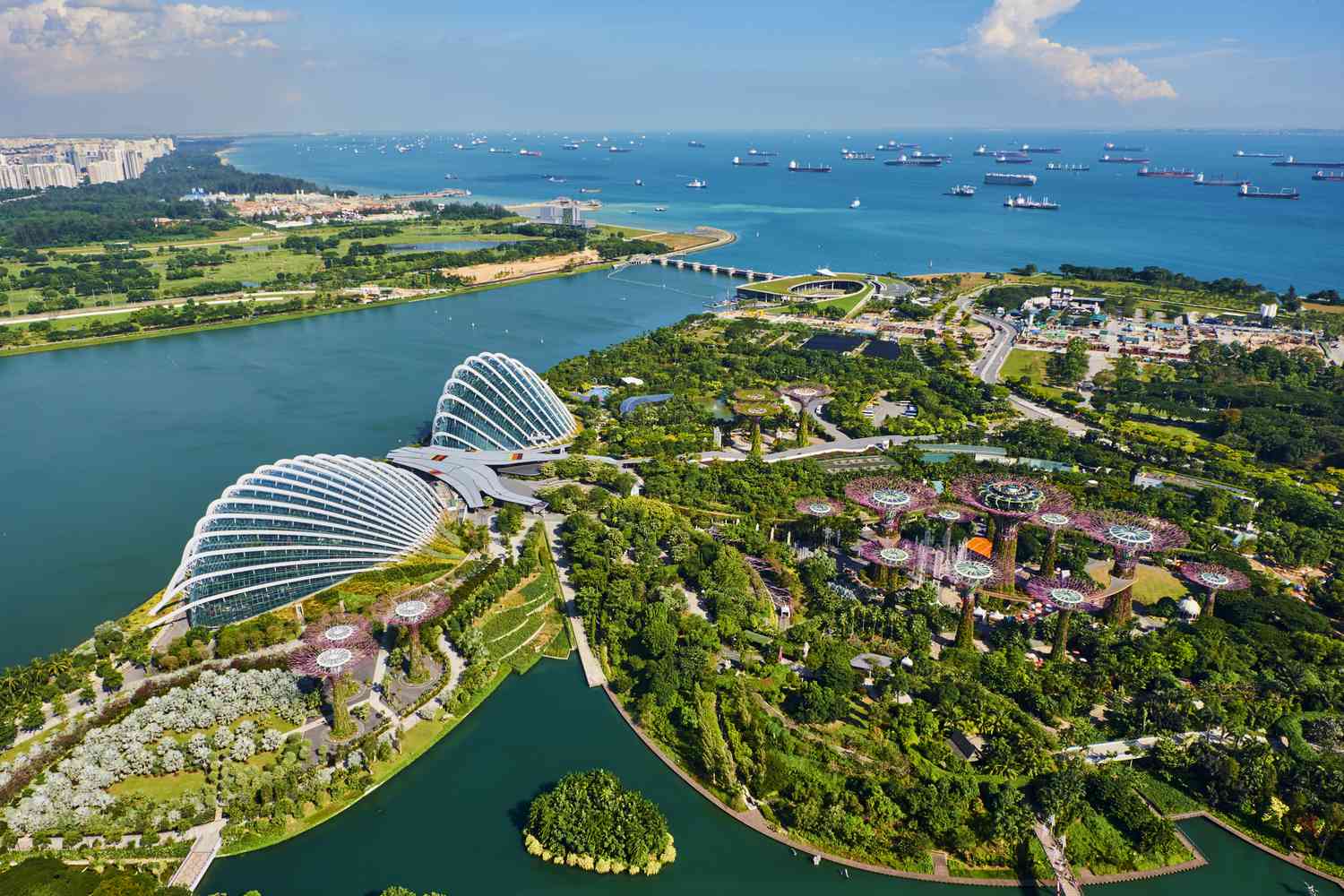
Land reclamation isn’t without controversy. Excavating sand can harm marine ecosystems, disrupt fisheries, and contribute to coastal erosion elsewhere. Singapore is prioritizing environmental sensitivity, drawing inspiration from projects like Marina Barrage, which doubles as a flood control dam and a tourist attraction. The government is also investing in research through its Coastal Protection and Flood Resilience Institute to ensure Long Island minimizes ecological damage.
The Stakes: Why Long Island Matters
A Nation at Risk
Singapore’s low-lying geography makes it uniquely vulnerable. A 1-meter sea level rise could inundate 30% of the island, affecting homes, businesses, and critical infrastructure like Changi Airport. Without action, the East Coast precinct—one of the lowest-lying areas—could face permanent flooding, disrupting livelihoods and erasing valuable land. Long Island is a proactive step to safeguard the nation’s survivability, a priority that experts say is priceless.
Water Security as a Geopolitical Priority
Singapore’s reliance on imported water from Malaysia has long been a point of tension. With water demand projected to double by 2065, the Long Island reservoir offers a path to self-sufficiency. By capturing freshwater that would otherwise be lost, the project addresses a critical geopolitical vulnerability. As Professor Adam Switzer from Nanyang Technological University notes, “The government is looking for as many wins as possible.”
Housing in a Land-Scarce City
In Singapore, where land is more precious than gold, Long Island’s potential to create 30,000 to 60,000 homes is a massive draw. The city’s property market is among the world’s most expensive, and new land could ease pressure on housing prices while offering space for recreational and commercial development. This multifunctionality ensures the project serves the community in diverse ways, from flood protection to urban expansion.
Challenges and Criticisms
The Cost of Ambition
Long Island’s price tag is staggering—likely in the billions of dollars. Planning, design, and construction could take decades, with additional years needed for the reclaimed land to settle before building can begin. Critics question whether the investment is worth it, especially when cheaper alternatives like elevated buildings or smaller seawalls could provide partial protection. Yet Singapore’s government sees Long Island as a long-term investment in the nation’s survival.
Environmental Trade-Offs
The environmental impact of reclamation is a major concern. Dredging 240 million metric tons of infill could disrupt marine habitats and exacerbate regional tensions over sand sourcing. While Singapore is exploring sustainable methods, such as using recycled materials, the scale of the project makes environmental neutrality challenging. Public support remains strong, but environmentalists urge careful planning to avoid repeating past mistakes.
Political and Regional Dynamics
Land reclamation often sparks diplomatic friction. Neighboring countries have criticized Singapore’s past projects for altering coastlines and affecting regional ecosystems. With sand exports banned by Indonesia, Malaysia, Cambodia, and Vietnam, Singapore must navigate complex regional politics to secure materials. The government’s emphasis on environmental sensitivity and international cooperation aims to mitigate these tensions.
Comparing Long Island to Global Efforts
Singapore vs. Other Low-Lying Nations
Many low-lying nations are grappling with rising seas, but Singapore’s approach stands out for its ambition and multifunctionality. Here’s how Long Island compares to other projects:
| Country | Project | Purpose | Challenges |
|---|---|---|---|
| Singapore | Long Island | Seawall, reservoir, housing, parks | High cost, environmental impact |
| Indonesia | Giant Seawall (Jakarta) | Flood protection | Political delays, funding issues |
| Denmark | Lynetteholm Peninsula | Flood protection, urban expansion | Public protests, environmental concerns |
| Maldives | Artificial island expansion | Housing, tourism | Limited scale, funding constraints |
Singapore’s project is unique in its integration of flood defense, water security, and urban development, setting a high bar for others.
Lessons from the Netherlands
The Netherlands, a global leader in flood management, offers valuable lessons. Its Maeslantkering storm surge barrier protects Rotterdam without sacrificing coastal access. Singapore’s Long Island draws inspiration from such multifunctional designs, aiming to balance protection with livability. However, unlike the Netherlands, Singapore faces unique challenges due to its small size and reliance on imported materials.
Pros and Cons of Long Island
Pros
- Comprehensive Protection: Shields 30% of Singapore’s low-lying areas from flooding.
- Water Security: Creates a reservoir to reduce dependence on imported water.
- Urban Expansion: Adds space for 30,000–60,000 homes and 12 miles of parks.
- Long-Term Vision: Aligns with Singapore’s tradition of proactive planning.
- Economic Boost: Potential for new commercial and recreational developments.
Cons
- High Cost: Billions of dollars and decades of construction.
- Environmental Impact: Reclamation could harm marine ecosystems.
- Regional Tensions: Sand sourcing may strain relations with neighbors.
- Long Timeline: Benefits may not be realized for decades.
People Also Ask (PAA)
What is Singapore’s Long Island project?
The Long Island project is an 8-mile-long chain of artificial islands designed to protect Singapore’s southeastern coast from rising sea levels. It will also create a freshwater reservoir, new parks, and space for up to 60,000 homes, addressing multiple challenges at once.
How will Long Island help with water scarcity?
By connecting to the mainland at both ends, Long Island will trap freshwater that would otherwise flow into the sea, creating a massive reservoir. This could significantly reduce Singapore’s reliance on imported water from Malaysia.
What are the environmental concerns of land reclamation?
Land reclamation requires massive amounts of infill, often sand, which can disrupt marine ecosystems and contribute to coastal erosion elsewhere. Singapore is exploring sustainable alternatives to minimize these impacts.
How does Singapore’s plan compare to other countries?
Singapore’s Long Island is more ambitious than many global projects, integrating flood defense, water security, and urban expansion. For example, Indonesia’s Jakarta seawall focuses solely on flood protection, while Denmark’s Lynetteholm faces public opposition.
A Personal Reflection: Singapore’s Vision in Action
I remember visiting Singapore’s East Coast Park a few years ago, jogging along its vibrant shoreline as families picnicked and kites soared overhead. The idea that this beloved space could one day be underwater is sobering. Yet, standing there, I could see why Singapore is taking such bold steps. This is a nation that doesn’t just react—it anticipates. Long Island feels like a love letter to future generations, a promise to preserve the Singapore we know while building something new. It’s a reminder that even in the face of existential threats, human ingenuity can shine.
Practical Steps for Staying Informed
Where to Learn More
- Official Sources: Visit the Urban Redevelopment Authority’s website (ura.gov.sg) for updates on Long Island.
- Research Institutions: Check out the Coastal Protection and Flood Resilience Institute for cutting-edge studies on sea level rise.
- News Outlets: Follow reputable sources like CNN or Channel NewsAsia for project developments.
Tools for Understanding Climate Impacts
- NASA Sea Level Change Tool: Explore high-resolution sea level rise projections for Singapore and other regions (sealevel.nasa.gov).
- Climate Central: Use their interactive maps to visualize flooding risks in coastal areas.
- Google Earth: View Singapore’s coastline and imagine the impact of Long Island’s construction.
FAQ
How long will the Long Island project take to complete?
Officials estimate it will take decades to plan, design, and build Long Island, with additional years for the land to settle before construction can begin. The timeline reflects the project’s massive scale and complexity.
Is Long Island environmentally sustainable?
While land reclamation poses environmental risks, Singapore is exploring sustainable infill materials and methods to minimize ecological damage. The government’s focus on environmental sensitivity aims to balance progress with preservation.
Can Long Island solve Singapore’s housing crisis?
The project could create space for 30,000 to 60,000 homes, easing pressure on Singapore’s tight property market. However, it’s not a complete solution, as demand will likely continue to outpace supply.
How does Long Island compare to Marina Barrage?
Like Marina Barrage, Long Island is a multifunctional project, serving as both a flood defense and a water reservoir. However, Long Island’s scale and additional focus on housing and parks make it far more ambitious.
What are the alternatives to Long Island?
Alternatives include building smaller seawalls, elevating new constructions (like Changi Airport’s Terminal 5), or using polders, as seen in Pulau Tekong. These options are less comprehensive but could be implemented faster.
The Road Ahead: A Vision for Survival
Singapore’s Long Island project is more than a construction endeavor—it’s a symbol of hope and resilience. As rising seas threaten low-lying nations worldwide, Singapore is charting a path that others may follow. By blending cutting-edge engineering with long-term planning, the city-state is not just defending its shores but redefining what it means to adapt to a changing world. Whether you’re a Singaporean worried about the future or a global citizen curious about climate solutions, Long Island offers a glimpse of what’s possible when a nation dares to dream big.