The Most Expensive Handbag in History
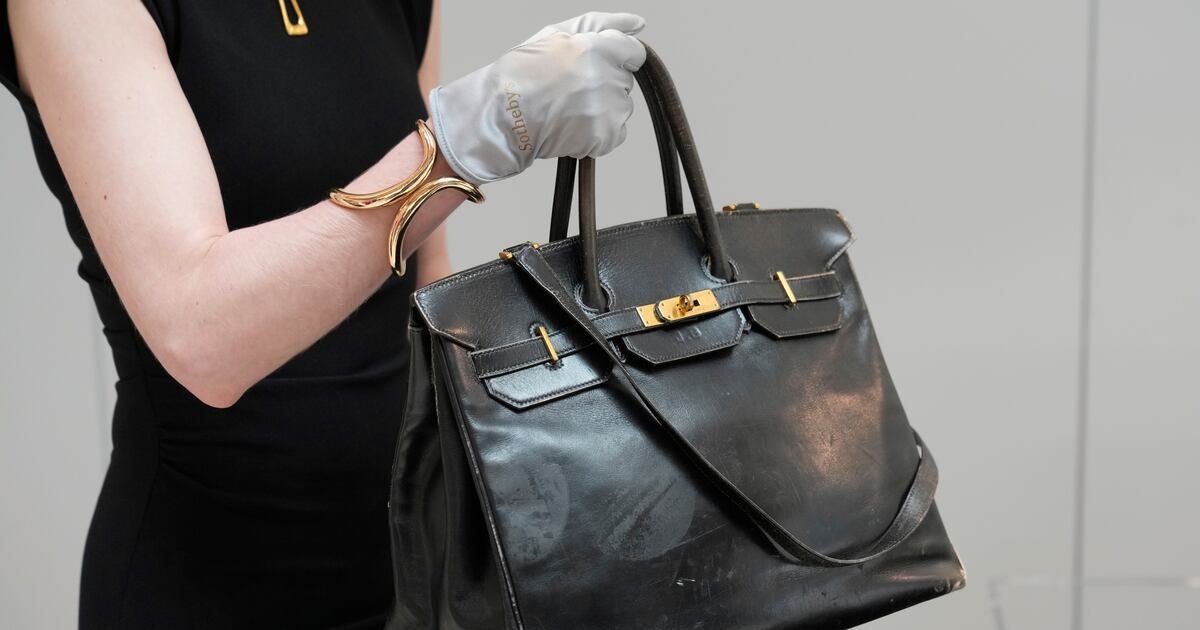
In July 2025, a black leather Hermès Birkin bag, scuffed and worn from years of daily use, sold at Sotheby’s Paris for a staggering $10.1 million. This wasn’t just any Birkin—it was the original, designed in 1984 for actress and style icon Jane Birkin herself. The auction, a 10-minute frenzy of bids, shattered records and made headlines worldwide, not just for its price but for the winner’s bold claim: he wanted to inflict “psychological damage” on his opponents.
The Man Behind the Bid: Shinsuke Sakimoto
A Former Soccer Star Turned Luxury Resale Mogul
Shinsuke Sakimoto, the CEO of Valuence Holdings, wasn’t your typical auction bidder. Once a professional soccer striker in Japan’s J1 League, Sakimoto swapped cleats for corporate strategy, founding Valuence, a luxury resale company specializing in high-end handbags, watches, and collectibles. His competitive edge, honed on the soccer field, came alive during the auction, where he instructed his representative to counter bids in “three or five seconds” to unnerve rivals.
The Auction as a Battleground
Sakimoto’s approach was less about acquiring a handbag and more about winning a psychological war. From his Tokyo office, he directed his team to bid aggressively, aiming to “force opponents to give up” by overwhelming them with rapid-fire counters. “We were almost at our upper limit,” he told CNN, “but in those few minutes, we were strategizing how to inflict psychological damage.” His tactics worked, securing the bag for Valuence at a jaw-dropping $10.1 million, including fees.
The Original Birkin: A Cultural Artifact
The Bag That Started It All
The story of the Birkin bag begins in 1984 on an Air France flight. Jane Birkin, juggling the chaos of motherhood, spilled the contents of her tattered basket bag in front of Jean-Louis Dumas, then-CEO of Hermès. Their conversation led to a sketch on an airplane sick bag—a rectangular, spacious leather tote with room for baby bottles and daily essentials. This prototype, embossed with Birkin’s initials “J.B.” and adorned with a nail clipper, became the blueprint for one of fashion’s most iconic designs.
Unique Features of the Original
Unlike modern Birkins, the original has distinct characteristics:
- Non-removable shoulder strap: A feature never replicated in later models.
- Gilded brass hardware: Different from the gold-plated hardware of production bags.
- Unique size: Positioned between the later-standardized 35 and 40 sizes.
- Worn condition: Scratches, stains, and adhesive marks from Birkin’s charity stickers, reflecting her bohemian style.
From Everyday Use to Museum Piece
Jane Birkin used the bag daily from 1985 to 1994, treating it as a practical companion rather than a pristine collectible. She sold it in 1994 to benefit AIDS research, and it later landed in the hands of French collector Catherine Benier in 2000. The bag has since appeared in exhibitions at the Museum of Modern Art in New York and the Victoria & Albert Museum in London, cementing its status as a cultural artifact.
The Auction: A 10-Minute Spectacle
A Bidding War Like No Other
The Sotheby’s Paris auction on July 10, 2025, was a spectacle. Nine bidders, including high-profile names like Lauren Sánchez (who later denied bidding), drove the price from an opening of €1 million to €7 million in just 10 minutes. Gasps and applause filled the room as bids soared past €6 million, with Sakimoto’s representative, Maiko Ichikawa, clinching the final offer of €8.6 million ($10.1 million with fees).
Why Such a High Price?
The astronomical price wasn’t just about the bag’s physical attributes. Several factors fueled the frenzy:
- Historical significance: As the prototype, it’s the origin of a global fashion phenomenon.
- Jane Birkin’s legacy: Her status as a Francophone style icon added emotional weight.
- Rarity: The bag’s unique features and provenance make it one-of-a-kind.
- Publicity value: Sakimoto estimated the auction’s media coverage would generate “several billion yen” in advertising value for Valuence over the next decade.
Comparison: Other Record-Breaking Handbags
| Handbag | Auction House | Sale Price | Year |
|---|---|---|---|
| Original Birkin | Sotheby’s | $10.1M | 2025 |
| Diamond Himalaya Birkin | Sotheby’s | $450,000 | 2022 |
| Crocodile Kelly | Christie’s | $513,040 | 2021 |
The original Birkin’s sale dwarfed previous records, highlighting its unparalleled cultural and financial value.
Psychological Warfare in High-Stakes Auctions
The Art of Intimidation
Sakimoto’s strategy of rapid counter-bidding wasn’t just about securing the bag—it was about dominating the psychological battlefield. By responding in seconds, he aimed to unsettle opponents, making them second-guess their budgets or resolve. This tactic mirrors strategies used in high-stakes poker, where players use aggression to force folds. “I had to be aggressive,” Sakimoto said, likening the auction to his sporting past.
Why Psychological Tactics Work
Auctions are as much about psychology as they are about money. Bidders face:
- Time pressure: Quick decisions amplify stress, leading to hesitation or withdrawal.
- Ego and status: Losing a high-profile item can feel like a public defeat.
- Financial limits: Pushing opponents to their ceiling can force them to bow out.
Sakimoto’s approach exploited these dynamics, turning the auction into a game of mental endurance.
Valuence’s Vision: More Than a Purchase
A New Model of Ownership
Unlike typical collectors, Valuence doesn’t plan to resell the Birkin. Sakimoto emphasized a “new ownership model” focused on stewardship, not profit. The company aims to display the bag publicly, sharing its cultural significance with the world. “We want to preserve it and share it with everyone,” he said, aligning with Valuence’s mission of sustainable luxury.
The PR Payoff
Sakimoto’s $10.1 million bid wasn’t just a personal triumph—it was a calculated business move. Valuence, a publicly traded company, stands to gain immense brand visibility. Sakimoto estimated the publicity would be worth “several billion yen” over a decade, a figure that could translate to tens of millions in U.S. dollars. High-profile purchases, like crypto entrepreneur Justin Sun’s $6.2 million banana artwork, show how such moves can elevate a company’s profile.
Pros and Cons of Valuence’s Strategy
Pros:
- Massive brand exposure through global media coverage.
- Alignment with sustainable luxury and cultural preservation.
- Potential to attract high-net-worth clients to Valuence’s resale platform.
Cons:
- High financial risk, with additional costs like $2 million in shipping and import duties.
- Uncertainty about long-term ROI beyond publicity.
- Potential backlash for spending such a sum on a single item.
The Birkin Phenomenon: Why It Matters
A Symbol of Status and Exclusivity
The Birkin bag is more than a handbag—it’s a cultural icon. Priced between $10,000 and $60,000 for standard models, Birkins are notoriously hard to acquire, with waitlists stretching months or years. Celebrities like Victoria Beckham and Kim Kardashian flaunt collections worth millions, while the original’s $10.1 million sale underscores its unmatched prestige.
Jane Birkin’s Enduring Legacy
Jane Birkin, who passed away in 2023, was more than a style icon. Known for her bohemian charm and activism, she donated royalties from the Birkin bag to charities like Médecins du Monde and Unicef. Her original bag, marked by stickers and wear, reflects her unpretentious approach to luxury—a stark contrast to today’s pristine collector culture.
Personal Reflection: The Allure of the Birkin
I’ve always been fascinated by how objects can carry such profound stories. Years ago, I attended a vintage fashion exhibit and saw a well-worn designer bag displayed like a piece of art. It wasn’t just the craftsmanship that struck me—it was the life it had lived, the hands it had passed through. The original Birkin, with its scratches and J.B. initials, feels like that exhibit magnified a thousandfold. It’s not just a bag; it’s a piece of history, a snapshot of Jane Birkin’s life, and now, a testament to Sakimoto’s audacity. There’s something thrilling about watching someone bet millions not just on an object, but on the story it tells.
People Also Ask (PAA)
What is the most expensive handbag ever sold?
The most expensive handbag ever sold is the original Hermès Birkin bag, auctioned at Sotheby’s Paris in July 2025 for $10.1 million. Designed for Jane Birkin in 1984, it surpassed previous records, including a $513,040 crocodile Kelly bag sold in 2021.
Who bought the $10 million Birkin bag?
Shinsuke Sakimoto, CEO of Valuence Holdings, won the bag for $10.1 million. A former soccer player, he bid via phone from Tokyo, aiming to secure the bag as a cultural artifact for his luxury resale company.
Why are Birkin bags so expensive?
Birkin bags command high prices due to their craftsmanship, rarity, and cultural significance. Handmade by skilled artisans, they use premium materials and have limited production, creating long waitlists. The original Birkin’s historical value drove its record-breaking $10.1 million sale.
Where can I see the original Birkin bag?
Valuence plans to display the original Birkin publicly, though exact plans are pending. It has previously been exhibited at the Museum of Modern Art in New York and the Victoria & Albert Museum in London. Check Valuence’s official site for updates on future exhibitions.
Navigating the World of Luxury Collectibles
Where to Find Authentic Birkins
For those inspired by the Birkin’s allure, acquiring an authentic bag requires caution. Options include:
- Hermès boutiques: The primary source, though waitlists are long and exclusivity is strict.
- Reputable resellers: Platforms like Valuence’s Allu or Sotheby’s auctions offer pre-owned Birkins with verified authenticity.
- Luxury consignment stores: Sites like The RealReal or Vestiaire Collective provide access, but always verify certifications. Visit The RealReal
Tools for Collectors
To navigate the luxury resale market, consider these tools:
- Authentication services: Companies like Entrupy or Authenticate First verify bag authenticity.
- Price trackers: Platforms like Rebag provide market value insights for Birkins and other luxury goods.
- Auction alerts: Sotheby’s and Christie’s offer newsletters for upcoming high-profile sales. Sign up at Sotheby’s
FAQ
How did Shinsuke Sakimoto win the Birkin auction?
Sakimoto, bidding via phone through a representative, used rapid counter-bids to outpace competitors, aiming to “inflict psychological damage” and force them to withdraw. His aggressive strategy secured the bag in a 10-minute bidding war.
Is the original Birkin bag for sale again?
No, Valuence has stated the bag will not be resold. Instead, it plans to preserve and display it publicly to share its cultural significance.
Why did Sakimoto spend $10 million on a bag?
Sakimoto saw the purchase as a strategic investment for Valuence, estimating the publicity would generate millions in advertising value. He also aimed to preserve the bag as a cultural artifact, not a personal possession.
What makes the original Birkin different from modern ones?
The original Birkin features a non-removable strap, gilded brass hardware, a unique size, and visible wear from Jane Birkin’s daily use, including her initials and a nail clipper. These elements set it apart from standardized production models.
Can I buy a Birkin bag affordably?
While authentic Birkins start at $10,000, affordable alternatives like the “Firkin” bag, popularized by Bethenny Frankel, mimic the look for as low as $60 on Amazon. Always prioritize authenticity for investment pieces.
Conclusion: A Bag Worth More Than Money
The $10.1 million Birkin auction wasn’t just about a handbag—it was a clash of ambition, strategy, and cultural reverence. Shinsuke Sakimoto’s bold tactics and Valuence’s vision for sustainable luxury turned a worn leather tote into a global headline. For collectors, it’s a reminder of the stories objects carry; for the rest of us, it’s a glimpse into a world where a bag can command millions and a bidder can win by playing mind games. Whether you’re chasing a Birkin or just curious about the hype, this auction proves one thing: some things are worth more than their price tag.