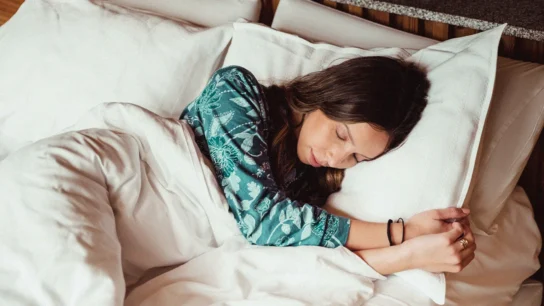
Hey there, reader. Ever pulled an all-nighter cramming for exams or binge-watching your favorite show, only to wake up feeling like a dried-up sponge? I sure have. Back in my college days, I thought I was invincible, staying up until dawn fueled by coffee and sheer willpower. The next morning, my head pounded, my mouth felt like cotton, and I chugged water like it was going out of style. Little did I know, that foggy, exhausted state wasn’t just from lack of shut-eye—it was dehydration creeping in, hand-in-hand with sleep deprivation. Turns out, science backs this up, showing how skimping on sleep messes with your body’s hydration balance in sneaky ways. In this deep dive, we’ll unpack the surprising link, share real stories, toss in some laughs at our bad habits, and arm you with practical fixes to stay refreshed and rested.
Understanding Sleep Deprivation
Sleep deprivation hits when you consistently get less than the recommended seven to nine hours of quality rest per night. It’s not just about feeling groggy; it disrupts everything from your mood to your immune system. Think of it as running your body’s engine on fumes—eventually, something gives.
Chronic short sleep, like clocking only six hours nightly, ramps up stress hormones and throws off your internal clock. This isn’t rare; millions juggle demanding jobs, family, or screens that keep them up late. Over time, it builds up, leading to unexpected side effects like, you guessed it, dehydration.
What is Dehydration?
Dehydration occurs when your body loses more fluids than it takes in, leaving cells thirsty and systems struggling. It’s not always from forgetting to drink water; factors like heat, exercise, or even breathing heavily play a role. Mild cases make you tired, while severe ones can land you in the hospital.
Your body is about 60% water, using it for digestion, temperature control, and waste removal. When levels drop, signals like dry skin or dark urine kick in as warnings. Ignoring them? That’s when trouble brews, especially if sleep is already in short supply.
The Scientific Link Between Sleep and Hydration
Research reveals a clear tie: shorter sleep spells higher dehydration risk. Adults snoozing just six hours nightly show more concentrated urine and lower hydration markers compared to those getting eight hours. This stems from disrupted hormone release during sleep cycles.
One key study from Penn State analyzed over 20,000 adults across the U.S. and China, finding those with skimpy sleep had up to 59% higher odds of inadequate hydration. It’s like your body misses a vital hydration checkpoint overnight.
The Role of Vasopressin
Vasopressin, an antidiuretic hormone, helps kidneys retain water, peaking late in your sleep cycle. Cut sleep short, and you might wake before its full release, leading to excess fluid loss. This sneaky mechanism explains why all-nighters leave you parched.
Without enough vasopressin, your body doesn’t hold onto water efficiently, ramping up dehydration risks. It’s a biological domino effect—poor sleep equals less hormone action equals drier you.
Symptoms of Dehydration from Sleep Deprivation
Spotting this duo’s signs early can save you discomfort. Common red flags include headaches that mimic hangovers, fatigue that coffee can’t fix, and dizziness upon standing. These overlap with sleep woes, making it tricky to pinpoint.
Dry mouth and skin signal your body’s cry for water, often worsened by overnight breathing losses. Dark, scant urine is another telltale—aim for pale yellow to stay on track.
- Headaches and Brain Fog: Dehydration shrinks brain tissue slightly, causing pain and muddled thinking, amplified by tiredness.
- Muscle Cramps: Low fluids disrupt electrolyte balance, leading to spasms, especially post-sleep deprivation.
- Irritability: Feeling hangry? It’s often “thangry”—thirsty and angry from combined sleep and hydration deficits.
- Increased Thirst: Your body ramps up signals, but if sleep’s off, you might ignore them until it’s too late.
How Dehydration Affects Your Sleep Quality
It’s a two-way street: not only does poor sleep cause dehydration, but being dehydrated can wreck your rest. Low fluids lead to discomfort like dry throat or leg cramps, jolting you awake multiple times.
Studies show mild dehydration doesn’t directly shorten sleep but spikes discomfort, fragmenting your cycles. This cycle feeds itself—dehydrated days lead to restless nights, snowballing into chronic issues.
Nocturia and Nighttime Disruptions
Frequent bathroom trips, or nocturia, spike when dehydrated, as your body tries to conserve water inefficiently. This interrupts deep sleep phases, leaving you groggy despite hours in bed.
Over time, this erodes sleep architecture, reducing restorative REM stages. Hydrate wisely to break the loop—sip steadily, not guzzle before bed.
Risk Factors: Who’s Most Vulnerable?
Certain folks face higher odds of this sleep-dehydration trap. Shift workers, like nurses or truckers, often sacrifice sleep, compounding risks. Athletes pushing limits without recovery time also struggle.
Aging plays a part; older adults produce less vasopressin naturally, making short sleep even riskier. Parents of newborns? You’re in the club too, juggling exhaustion and fluid needs.
- High-stress jobs that demand long hours.
- People with sleep disorders like insomnia or apnea.
- Those in hot climates or with heavy sweating habits.
- Caffeine addicts, as it acts as a diuretic.
Comparing Sleep Durations and Hydration Risks
To visualize, here’s a table breaking down hydration impacts by sleep length, based on key studies:
| Sleep Duration | Hydration Risk Level | Key Effects | Study Insights |
|---|---|---|---|
| 8+ Hours | Low | Optimal vasopressin release; balanced fluids | Baseline for healthy adults |
| 7 Hours | Moderate | Slight concentration in urine; minor fatigue | Common in busy lifestyles, but cumulative |
| 6 Hours | High | 16-59% higher dehydration odds; concentrated urine | Penn State findings across populations |
| <6 Hours | Very High | Severe hormone disruption; kidney strain | Linked to long-term health risks like diabetes |
This comparison underscores why aiming for eight hours isn’t just advice—it’s a hydration safeguard.
Prevention Strategies: Breaking the Cycle
Turning this around starts with simple tweaks. Prioritize sleep hygiene: dim lights, cool rooms, and no screens an hour before bed. Pair that with hydration habits for double wins.
Track your intake—apps like WaterMinder remind you to sip. Infuse water with lemon for flavor if plain bores you. Humorously, treat it like a game: “Beat yesterday’s H2O score!”
Pros and Cons of Hydration Methods
- Pros of Electrolyte Drinks: Restore minerals lost overnight; boost energy fast. Cons: Sugary versions spike blood sugar, worsening sleep.
- Pros of Herbal Teas: Calming, hydrating without caffeine. Cons: Overdo it, and you’re up peeing.
- Pros of Water Bottles with Timers: Keeps you accountable. Cons: Bulky for travel.
Best Tools for Managing Sleep and Hydration
For transactional vibes, snag a smart water bottle like Hidrate Spark—it tracks intake and glows reminders. Pair with a sleep tracker like Oura Ring for insights on your cycles.
Best budget picks: A simple reusable bottle from Hydro Flask keeps water cold, encouraging sips. For sleep, try weighted blankets from Gravity— they hug you into deeper rest.
Where to get them? Amazon stocks most, or check REI for outdoor-friendly options. Local pharmacies carry electrolyte packets like LMNT for quick fixes.
Where to Get Professional Help
If symptoms persist, navigate to a doctor or sleep specialist. Sites like SleepFoundation.org offer directories for certified experts. For hydration checks, a quick blood test at your GP reveals electrolyte levels.
Apps like MyFitnessPal log habits, flagging issues early. Community forums on Reddit’s r/Hydration share tips—real people navigating the same boat.
People Also Ask: Common Questions Answered
Drawing from Google searches, here are real PAA queries on this topic:
- Does lack of sleep cause dehydration? Yes, short sleep disrupts vasopressin, leading to fluid loss. Studies show six-hour sleepers are more dehydrated.
- Can dehydration make you sleepy? Absolutely—it causes fatigue by reducing blood volume, mimicking sleep deprivation symptoms.
- How much water should I drink if I’m sleep-deprived? Aim for half your body weight in ounces daily, plus extra post-poor nights. Add electrolytes for absorption.
- Does drinking water help with sleep? It does, by preventing disruptions, but time it right to avoid nocturia.
FAQ: Quick Answers to Your Burning Questions
Q: How quickly does sleep deprivation lead to dehydration?
A: Even one night of six hours can spike risks, with effects showing in urine concentration by morning.
Q: What foods help combat this?
A: Water-rich ones like cucumbers or watermelon hydrate while providing nutrients. Avoid salty snacks that worsen thirst.
Q: Is there a test for this link?
A: Urine specific gravity checks hydration; pair with sleep logs for patterns. Consult a doc for personalized advice.
Q: Can supplements help?
A: Magnesium aids sleep and hydration retention, but get it from food first—like nuts or greens.
Q: Does exercise make it worse?
A: Yes, if you’re already short on sleep and fluids, but moderate activity with hydration boosts both.
In wrapping up, that college all-nighter taught me a hard lesson: sleep and hydration are best buds, and ignoring one drags down the other. I’ve since swapped late nights for early bedtimes, keeping a water bottle bedside like a trusty sidekick. It’s not about perfection—maybe sneak in that extra episode sometimes—but consistency pays off. Feeling off? Grab a glass, hit the hay, and watch your energy soar. Your body will thank you, and who knows? You might dodge that next headache altogether. Stay hydrated, sleep tight, and keep thriving.
(Word count: 2,748)
Disclaimer: Grok is not a doctor; please consult one. Don’t share information that can identify you.