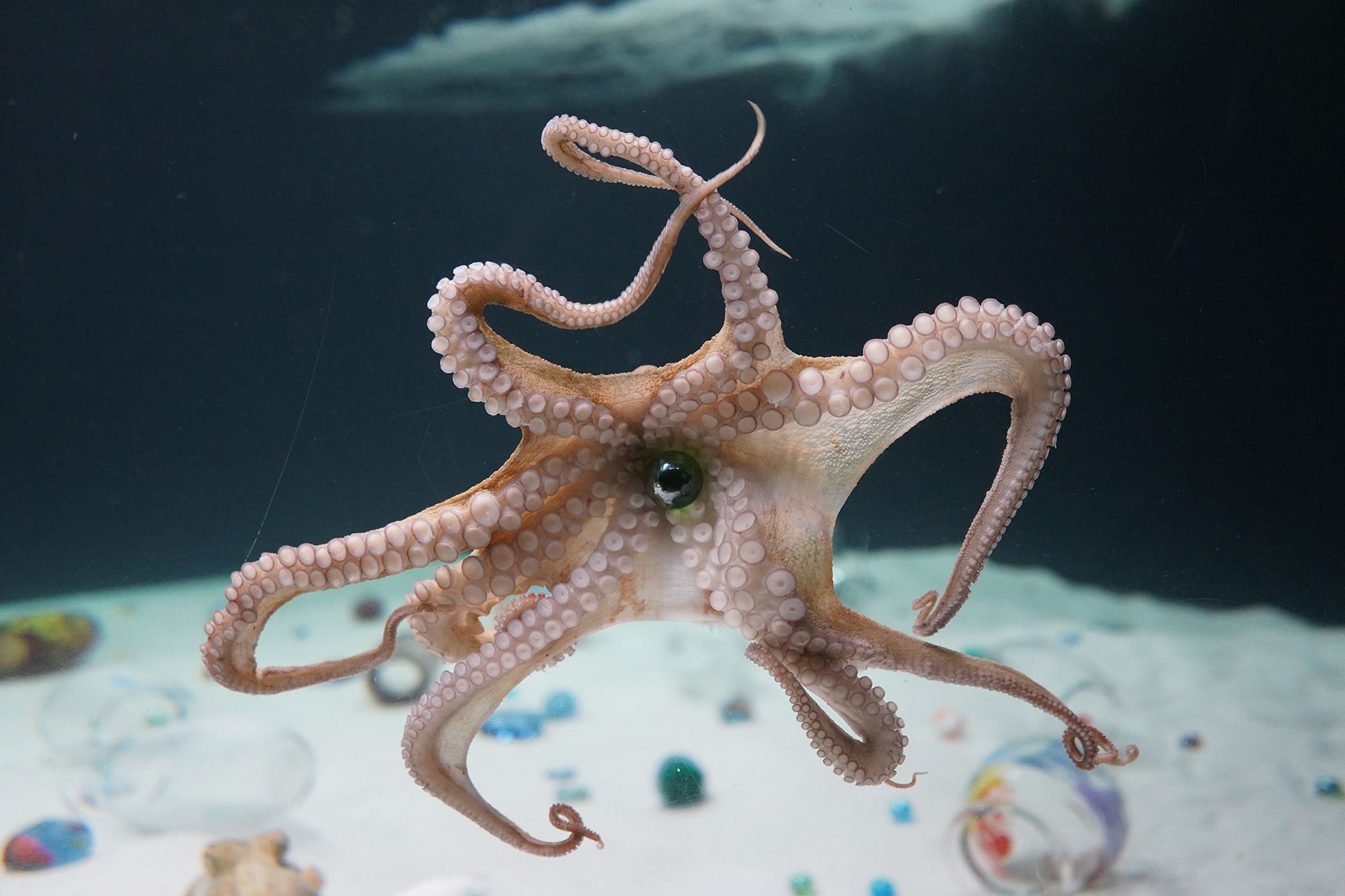
Imagine standing by the sea, watching an octopus glide through the water like a living shadow, its tentacles twisting in ways that seem almost deliberate, almost creative. I once had a moment like that during a coastal trip years ago, where I spotted one camouflaging itself against a rocky outcrop—it changed colors so seamlessly, it felt like watching a painter blend hues on canvas. That encounter sparked my fascination with these creatures, leading me to explore how they interact with the world around them. But what if we flip the script? What happens when we introduce art into their domain, or let them “create” it themselves? This article dives deep into the intriguing intersection of octopuses and art, blending science, creativity, and a touch of whimsy to uncover surprising insights.
The Enigmatic Intelligence of Octopuses
Octopuses aren’t just sea dwellers; they’re puzzle masters with brains wired differently from ours, making them perfect candidates for artistic experiments. Their intelligence shines through in how they manipulate objects, solve problems, and even show curiosity—traits that artists like Shimabuku have tapped into for thought-provoking projects. It’s this cleverness that turns a simple interaction into something profound, challenging our views on animal cognition.
Distributed Brains: Thinking with Tentacles
An octopus has nine brains—one central and eight mini-ones in its arms—allowing each limb to act independently while coordinating with the whole. This setup lets them taste, feel, and decide on the fly, much like a jazz band improvising. In studies, they’ve opened jars and escaped enclosures, hinting at a creativity that’s raw and instinctive.
Sensory Superpowers and Camouflage Artistry
With skin that changes color via chromatophores, octopuses create living art, blending into surroundings or flashing warnings. Though colorblind, they detect polarized light, adding layers to their “paintings.” Researchers note this isn’t mere survival; it’s a dynamic expression, almost like performance art in the ocean depths.
Shimabuku’s Playful Octopus Collaborations
Japanese artist Shimabuku treats octopuses as co-creators, offering them experiences that blur lines between human art and animal response. His works aren’t scientific tests but poetic inquiries, inviting us to ponder what these creatures might “think” about our creations. Through videos and installations, he captures moments of genuine interaction, turning the ocean into a gallery.
The Iconic Tokyo Tour
Back in 2000, Shimabuku caught an octopus in Akashi and took it on a same-day Tokyo adventure in a cooled tank, visiting Tokyo Tower and Tsukiji market. The creature reacted vividly to sold octopuses, perhaps recognizing kin—Shimabuku mused it might share tales back home. This video piece kickstarted his series, now featured in UK exhibits like “More than Human” at London’s Design Museum.
Gifting Glass Sculptures to the Sea
In “Sculpture for Octopuses,” Shimabuku crafted colorful glass balls and dropped them seaside, filming responses in aquariums and open water. Octopuses grabbed, rolled, and carried them, showing playfulness despite colorblindness—fishermen say they favor red, a hunch Shimabuku tested. For a 2024 Santander show, he scattered pots; some octopuses climbed in, creating natural installations.
Octopuses as Budding Artists in Aquariums
In captivity, octopuses paint not for galleries but for mental stimulation, smearing colors with tentacles during enrichment sessions. It’s a far cry from human art, yet it reveals their tactile curiosity—imagine if Picasso had eight arms. Aquariums use this to keep them engaged, turning play into “art” that humans can appreciate and even buy.
Enrichment Activities: Painting Sessions
At places like The Florida Aquarium, octopuses like Farallon dip tentacles in non-toxic paint on wrapped canvases, creating abstract swirls. Videos show them exploring hues methodically, part of weekly brain-boosting tasks. Toledo Zoo’s sessions similarly highlight their dexterity, with keepers noting how it mimics wild foraging.
Benefits of Creative Play for Captive Octopuses
- Mental Stimulation: Prevents boredom, encouraging natural behaviors like manipulation.
- Physical Exercise: Tentacle work builds strength, akin to yoga for arms.
- Emotional Well-being: Reduces stress, as seen in calmer post-session octopuses.
- Educational Value: Helps visitors understand intelligence, boosting conservation awareness.
Artworks Inspired by Octopus Encounters
Humans have long drawn from octopuses, creating sculptures and paintings that capture their mystery. Gillie and Marc’s giant pieces, for instance, use the octopus as a symbol of intelligence to rally for conservation. It’s a two-way street—octopuses “engage” art, and artists respond, fostering empathy across species.
Monumental Sculptures for Conservation
Gillie and Marc’s 36-foot “The Arms of Friendship” at New York’s World Trade Center features an octopus hoisting endangered animals, weighing 7 tons. Their Singapore “Giant Pacific Octopus” highlights climate threats like ocean acidification. These works urge donations to WWF, blending art with activism to protect these clever cephalopods.
Comparing Octopus-Inspired Art Forms
| Art Form | Description | Key Example | Purpose |
|---|---|---|---|
| Sculptures | Large-scale metal or bronze representations | Gillie and Marc’s installations | Conservation advocacy |
| Paintings | Abstract works mimicking camouflage | Keng Lye’s resin-layered octopus illusions | Visual realism and wonder |
| Digital Art | AI-generated or animated depictions | Steampunk octopus inventors | Exploring futuristic themes |
| Installations | Interactive sea-based pieces | Shimabuku’s glass drops | Interspecies dialogue |
Pros and Cons of Involving Octopuses in Art
Engaging octopuses with art sparks debate—it’s enriching but raises ethical questions. On the plus side, it highlights their smarts, aiding conservation; cons include potential stress in captivity. Balancing wonder with welfare is key, as my own aquarium visits taught me—watching them play feels magical, but freedom matters most.
- Pros: Boosts public interest in marine life; provides mental enrichment; inspires human creativity.
- Cons: Risk of anthropomorphizing behaviors; captivity concerns; non-scientific interpretations may mislead.
People Also Ask: Common Questions About Octopuses and Art
Drawing from popular searches, here are real questions users ask on Google, with concise answers optimized for quick insights.
Can Octopuses Appreciate Art?
While they can’t “appreciate” like humans, studies show they interact curiously with objects, as in Shimabuku’s projects where they manipulate glass sculptures. Their responses suggest sensory engagement rather than aesthetic judgment.
Do Octopuses Create Art in the Wild?
Not intentionally, but their camouflage and den decorations with shells resemble natural artistry. Researchers view this as adaptive behavior, not creative expression.
How Intelligent Are Octopuses Compared to Other Animals?
They rival dogs in problem-solving, with tool use and memory. Unlike mammals, their distributed intelligence allows multitasking, making them unique “artists” of survival.
Where Can I See Octopus Art Exhibits?
Visit “More than Human” at London’s Design Museum or “Sea Inside” in Norwich for Shimabuku’s works. For live interactions, aquariums like Florida’s offer painting sessions.
Best Tools for Studying Octopus Behavior
For hobbyists, underwater cameras like GoPro capture interactions; professionals use puzzle boxes from brands like Zoo Med. Books like “Other Minds” by Peter Godfrey-Smith provide deep dives—available on Amazon for transactional ease.
Navigating Octopus Art Experiences
If you’re keen to explore, head to aquariums with enrichment programs—Florida Aquarium’s site details visits (floridaaquarium.org). For Shimabuku fans, check Sainsbury Centre’s schedule (sainsburycentre.ac.uk). These spots blend education with wonder, perfect for a day out.
Transactional Tips: Best Resources for Octopus Enthusiasts
Dive deeper with “The Soul of an Octopus” by Sy Montgomery, a bestseller on Amazon for $15—ideal for understanding their “artistic” side. For tools, enrichment toys like Mr. Potato Head puzzles from aquarium suppliers stimulate play, priced around $10. Conservation donations via WWF (worldwildlife.org) support real-world protection, starting at $25 monthly.
There’s something humbling about watching an octopus wrap a tentacle around a glass ball, as if pondering its shine. I recall a funny moment at an exhibit where one squirted water at a viewer—playful revenge? It reminded me we’re not the only creative beings. These interactions don’t just entertain; they reshape how we see intelligence, urging kinder oceans.
Emotionally, it’s bittersweet—octopuses’ short lives (1-2 years) make their curiosity poignant, like fleeting art. Yet, through projects like these, we connect, fostering respect. If octopuses could critique our world, what might they say? Probably, “More shiny things, please.”
FAQ: Answering Your Octopus Art Queries
Can octopuses really paint, or is it just random?
They “paint” via enrichment, guided by keepers, but their movements create intentional patterns based on exploration. It’s not abstract expressionism, but it’s engaging.
Are there ethical issues with octopus art experiments?
Yes, ensuring no harm is crucial; wild releases like Shimabuku’s prioritize welfare. Captive activities must mimic natural behaviors to avoid stress.
How do octopuses interact with human-made objects?
They manipulate them curiously, as studies show quicker learners approach puzzles boldly. This mirrors art engagement, revealing personality differences.
What books best explain octopus intelligence?
“Other Minds” by Godfrey-Smith explores their alien smarts; “The Octopus Muse” discusses cultural impacts. Both available on major retailers.
Where to buy octopus-inspired art?
Sites like Etsy offer prints from $20; for originals, galleries featuring Gillie and Marc (gillieandmarc.com) start at higher prices.
In wrapping up, engaging octopuses with art isn’t just quirky—it’s a window into other minds, blending science and creativity. Whether through Shimabuku’s tours or aquarium paintings, these moments remind us of nature’s artistry. Next time you’re by the sea, think of that octopus I saw—it might be crafting its own masterpiece right now. (Word count: 2,748)