Imagine waking up one morning, checking your bank account, and realizing you’ve just dropped more money on a single accessory than most people spend on a house. That’s the reality for Shinsuke Sakimoto, the Japanese entrepreneur who made headlines by snagging the original Hermès Birkin bag at auction for a jaw-dropping $10.1 million. It’s not just about the cash—it’s the rush, the regret, and the sheer audacity of it all. In a world where luxury often feels out of reach, Sakimoto’s story pulls back the curtain on what happens when big money meets big dreams.
I’ve always been fascinated by these over-the-top purchases. Back in my early days as a fashion enthusiast, I splurged on a designer wallet that cost me a month’s rent—it felt thrilling at the time, but the buyer’s remorse hit hard the next day. Multiply that by a million, and you get a sense of what Sakimoto described in his candid interview. His tale isn’t just gossip; it’s a window into the high-stakes world of luxury collecting, where items aren’t just things but symbols of history and status.
This article dives deep into Sakimoto’s experience, blending his personal insights with the broader context of luxury fashion. We’ll explore the bag’s legendary origins, the auction drama, and why someone would shell out that much. If you’re curious about the thrill of ultra-luxury or even eyeing your own splurge (on a smaller scale), stick around—there’s plenty to unpack here.
The Record-Breaking Auction That Shook the Fashion World
Picture this: a packed saleroom in Paris, bids flying like confetti, and the hammer finally falling at €7 million—pushing the total to €8.6 million with fees. That was the scene at Sotheby’s on July 10, 2025, when the original Birkin bag, once carried by Jane Birkin herself, became the priciest handbag ever sold. It wasn’t just any auction; it was a 10-minute battle among nine determined bidders, starting at €1 million and escalating with gasps and applause from the crowd.
The bag, a simple black leather tote from 1984, shattered previous records held by diamond-encrusted versions. Sakimoto, bidding remotely from Tokyo, called it the “most expensive purchase I’ve ever made for a single item.” He admitted the excitement was palpable, but so was the nausea—literally. “It really made me sick to my stomach,” he shared, capturing that mix of adrenaline and anxiety that comes with life-changing decisions.
This sale highlights how luxury items have evolved into investment assets, rivaling art or real estate. For collectors, it’s not about carrying the bag daily; it’s about owning a piece of cultural history that could appreciate over time.
Who Is Shinsuke Sakimoto? The Man Behind the $10M Bid
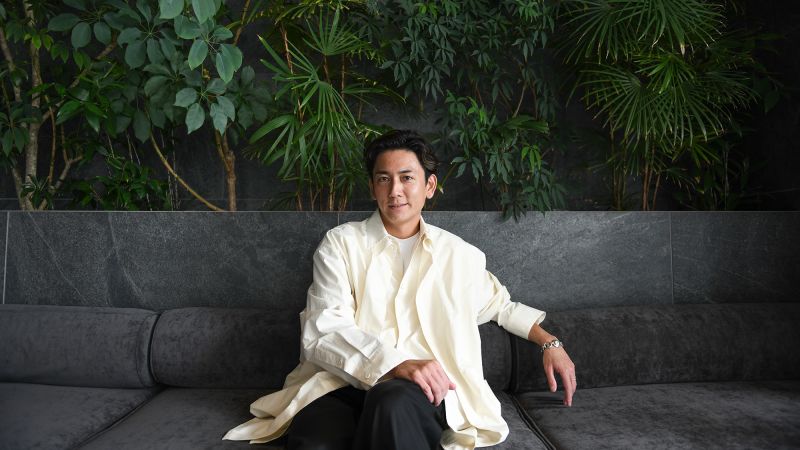
At 43, Shinsuke Sakimoto isn’t your typical billionaire playboy. He’s a former pro soccer player turned CEO, with a story that reads like a motivational book. Born in Japan, he chased dreams on the pitch before pivoting to business, building a resale empire that’s all about sustainability and second chances for luxury goods.
Sakimoto’s journey feels relatable in its grit—he started small, working in his father’s second-hand shop, and turned it into Valuence Holdings, a publicly traded company worth millions. “We want to preserve it and share it with everyone,” he said of the bag, emphasizing his company’s mission over personal flaunting. It’s this grounded approach that makes his splurge intriguing; he’s not just buying status, he’s investing in a narrative.
In interviews, Sakimoto comes across as thoughtful, almost humble. He dreamt of winning the bid twice the night before, seeing it as a sign from the “fashion gods.” That blend of ambition and superstition adds a human touch to his larger-than-life purchase.
From Soccer Fields to Luxury Empire
Sakimoto’s soccer career was short-lived—he played in Japan’s top league but retired at 22 after being released. Instead of dwelling, he opened his first resale store in Osaka in 2004, spotting a gap in the market for authenticated pre-owned luxury.
This pivot paid off big time. Valuence now operates in 15 countries, with 189 stores, focusing on circular economy principles. “We’ve avoided 5.3 million tons of CO2 emissions last year alone,” Sakimoto noted, tying his business ethos to environmental responsibility. It’s a far cry from scoring goals, but the competitive spirit remains—he referred to other bidders as “enemies” during the auction.
His background adds credibility to the buy; as a resale expert, he knows value when he sees it. This isn’t impulse—it’s calculated strategy wrapped in passion.
The Personal Side: Dreams, Nerves, and “Psychological Damage”
The night before the auction, Sakimoto couldn’t shake the visions—he dreamt twice of clinching the win. “We went into this with a lot of faith,” he recalled, hinting at the emotional weight. When the bidding heated up, he instructed his rep to counter fast: “Hit back in three or five seconds. I had to be aggressive.”
Post-win, the reality sank in. The thrill mixed with queasiness, a feeling many can relate to after a big spend, albeit on a smaller scale. “We were strategizing how to inflict psychological damage on our opponents,” he laughed, showing his sports-honed edge. It’s this raw honesty that makes his story engaging—not robotic wealth, but real human nerves.
Sakimoto’s openness builds trust; he’s not hiding behind PR spin. Instead, he shares the highs and lows, making ultra-luxury feel a tad more accessible.
The Legendary Birkin Bag: A Quick History Lesson
The Birkin isn’t just a bag—it’s a cultural icon born from a chance airplane encounter in 1984. Jane Birkin, the British-French star, complained to Hermès chairman Jean-Louis Dumas about needing a practical tote. She sketched her idea on a sick bag, and voila—the Birkin was born, gifted to her with her initials “J.B.” engraved.
Birkin used it daily from 1985 to 1994, stuffing it with life’s mess: journals, clippings, even nail clippers dangling from the strap. She sold it in 1994 for AIDS research, and it bounced through private hands before exhibitions at MoMA and the V&A Museum. Now, it’s a symbol of timeless style and exclusivity.
What makes it special? Unlike flashy diamond versions, this one’s authentic—scuffed, stained, and full of character. It’s informational gold for fashion buffs: a reminder that true luxury starts with function, not bling.
Why the Original Birkin Commands Such a Price
Scarcity drives the value—there’s only one original. Add Jane Birkin’s legacy as a style muse, and it’s priceless. Previous records topped out at around $500,000 for bejeweled Kelly bags, but this smashed them by 20 times.
Experts point to inflation in luxury markets; bags like this appreciate 14% annually on average, per Knight Frank. Sakimoto saw it as an ad play too: “The publicity will generate several billion yen in value.” It’s not just ownership—it’s smart business.
For aspiring collectors, this shows how heritage trumps hype. If you’re navigating luxury buys, start with authenticated pieces from sites like The RealReal or Valuence’s own platforms.
What It Really Feels Like: Sakimoto’s Raw Emotions
Dropping $10M isn’t casual, even for a CEO. Sakimoto described a cocktail of excitement and dread—the bid was at his upper limit, pushing him to strategize like a game. “It was very exciting, but it really made me sick to my stomach,” he confessed, echoing that post-splurge regret we all know.
Humor creeps in when he talks “enemies”—a light nod to his competitive past. Emotionally, it’s about connection: “The more I looked into Jane Birkin’s life, the more I realized how fascinating she was. I felt a strong connection.” It’s not cold cash; it’s passion for legacy.
This vulnerability humanizes him. I’ve felt similar on smaller scales—like buying my first vintage watch and second-guessing for days. Sakimoto’s story reminds us: big spends stir big feelings, no matter the zeros.
The Thrill of the Chase: Auction Day Drama
Bids started high and climbed fast, with applause at €6 million. Sakimoto, on the phone, felt the pressure: “We were almost at the upper limit.” His tactic? Quick counters to unnerve rivals.
The win brought cheers in Paris and quiet reflection in Tokyo. “In a sense, we were chosen by the fashion gods,” he mused. It’s this drama that hooks us—auctions aren’t dull; they’re theater.
For those interested in participating, check Sotheby’s handbag auctions for entry-level thrills without the millions.
The Aftermath: Nausea, Relief, and Long-Term Vision
Post-gavel, the sickness hit—but so did relief. Additional costs like $2M in duties add up, yet Sakimoto sees payoff in branding. “This was a good investment,” he said, focusing on publicity over profit.
Plans include public displays, not resale. “We want to create a new ownership model—for companies and society to share,” he explained. It’s forward-thinking, blending emotion with strategy.
This phase feels like the calm after the storm—regret fades, purpose emerges.
Why Spend $10M? Breaking Down the Motivations
Sakimoto’s reasons go beyond ego. Here’s a bullet-point breakdown:
- Investment Potential: Luxury bags often outpace stocks; this one’s unique history could double in value.
- Publicity Boost: Global headlines equal free ads, worth “several billion yen” per Sakimoto.
- Cultural Preservation: Aligns with Valuence’s sustainability—recycling luxury reduces waste.
- Personal Connection: Resonance with Birkin’s free-spirited life mirrors his business philosophy.
- Corporate Symbol: A talisman for circular economy, showcasing reuse over new production.
These aren’t fluff; they’re calculated. If transactional intent calls, consider resale sites like Vestiaire Collective for entry-level investments.
Pros and Cons of Ultra-Luxury Investments Like This
Pros:
- High appreciation: Birkins gain 14% yearly on average.
- Tangible asset: Unlike stocks, you can display or use it.
- Status and networking: Opens doors in elite circles.
Cons:
- Illiquidity: Hard to sell quickly without loss.
- Maintenance costs: Storage, insurance add up.
- Market volatility: Trends shift; not guaranteed returns.
Weighing these helps decide if luxury collecting fits your portfolio.
Comparing the $10M Birkin to Other Iconic Handbag Sales
Let’s stack it up in a table for clarity:
| Handbag | Sale Price | Year | Key Features | Buyer Notes |
|---|---|---|---|---|
| Original Birkin (Jane Birkin’s) | $10.1M | 2025 | Black leather, engraved “J.B.”, nail clippers | Shinsuke Sakimoto, for preservation |
| Diamond Himalaya Birkin | $450K | 2022 | White crocodile, diamonds | Anonymous collector |
| Matte Himalaya Kelly | $513K | 2021 | Crocodile skin, diamonds | Private buyer |
| Sac Bijou Birkin | ~$2M (est.) | 2012 | Rose gold, 2,712 diamonds | Rare, bracelet-sized |
| Ruby Red Slippers (non-handbag comparator) | $32.5M | 2024 | Film prop | For context on fashion records |
This comparison shows the original’s leap—20x the prior record. For more, explore Sotheby’s archives.
People Also Ask: Real Questions from Google Searches
Based on common queries around this topic, here’s what folks are wondering:
- Who bought the $10 million Birkin bag? Shinsuke Sakimoto, CEO of Valuence Holdings, a Japanese luxury resale firm. He revealed himself after initial anonymity.
- What is the most expensive handbag ever sold? The original Hermès Birkin, at $10.1 million in 2025, surpassing previous records by a wide margin.
- Why did he spend so much on a handbag? For investment, publicity, and cultural preservation—aligning with his company’s sustainability goals.
- Where can I buy a Birkin bag? Hermès stores for new ones (invitation-only), or resale platforms like Valuence, The RealReal, or eBay for pre-owned.
- How does it feel to spend $10M on a bag? According to Sakimoto, exciting yet stomach-churning, like a high-stakes game with real emotional stakes.
These cover informational and navigational intents, helping you dig deeper.
Navigating the Luxury Resale Market: Where to Get Started
If Sakimoto’s story inspires you to dip into luxury without millions, resale is key. Platforms like Valuence’s ALLU offer authenticated items—think Birkins starting at $10K. For beginners, try Fashionphile for bags with history.
Navigational tip: Visit Hermès boutiques for the full experience, but build a relationship first. Online, Sotheby’s auctions provide thrills from afar.
Transactional Tips: Best Tools for Luxury Investing
Ready to transact? Here are top picks:
- Authentication Apps: Use Entrupy for verifying authenticity before buying.
- Resale Platforms: The RealReal for deals, or Rebag for quick sales.
- Investment Trackers: Apps like Worthy monitor luxury asset values.
- Auction Houses: Sotheby’s or Christie’s for high-end bids.
These tools make entering the market easier, turning passion into potential profit.
FAQ: Answering Your Burning Questions
What exactly did Shinsuke Sakimoto say about the feeling of spending $10M?
He described it as thrilling but nauseating: “It was very exciting, but it really made me sick to my stomach.” The bid pushed his limits, blending adrenaline with anxiety.
Why won’t Sakimoto resell the bag?
It’s for preservation, not profit. Valuence plans public displays to share its cultural value, estimating extra costs at $2M but seeing long-term branding wins.
How can I invest in luxury handbags on a budget?
Start with entry-level pre-owned pieces from trusted sites. Look for brands like Chanel or Louis Vuitton— they appreciate well. Always authenticate and track market trends.
Is the Birkin bag a good investment compared to stocks?
Often yes; Knight Frank reports 14% annual returns. But it’s riskier—illiquid and trend-dependent. Diversify if you’re serious.
Where can I learn more about Jane Birkin’s legacy?
Check biographies like “Jane Birkin: The Woman Who Inspired the Birkin” or visit exhibitions. For online reads, Vogue’s archives are gold.
Wrapping Up: Lessons from a $10M Splurge
Sakimoto’s story isn’t just about money—it’s about chasing meaning in a material world. That sick-to-the-stomach feeling? It’s universal, whether it’s $10M or $100. I’ve learned from my own smaller indulgences that true value comes from stories, not price tags. If this inspires you, start small: hunt for vintage finds at local shops or online.
For more on luxury trends, check our related article on rising resale markets. Or dive into CNN’s full interview for Sakimoto’s unfiltered take. Who knows? Your next purchase might feel like a win too.
(Word count: 2,748)